
My Dog Ate My Grief Homework

Between grief counseling sessions, I’m given homework assignments. The most recent was to create my “loss history graph” – a detailed report of each significant loss in my life, when it happened, and how intensely it affected me at the time. Needless to say, that wasn’t so fun to do, and once I completed the arduous task, I folded the page and tucked it inside a book for safe keeping.

A few days later, I noticed my dog Daisy munching away on a piece of paper. I sometimes give the dogs junk mail to tear apart, so I assumed that’s what it was, but closer inspection revealed the truth. She was eating my loss history graph. After pulling the soggy, tattered page from her mouth, I assessed the damage, which turned out to be minimal. While she’d chewed the edges and blurred much of the writing with drool, the only segment she’d removed entirely were the words: Dad died.

Later that week, my grief counselor and I both had a good laugh as I held up the pitiful remains of my loss history graph and explained what had happened. I mentioned how strange it was that Daisy had gone so far as to pull the page out of a book, which she’d never done before. My counselor, also a dog lover, spoke of dogs’ intuitive nature and suggested (somewhat tongue in cheek) that Daisy might have sensed that particular piece of paper made me sad and figured she could help me out by eating it.

Her nod to dogs’ intuitive and protective tendencies reminded me of an incident not long after Dad’s death. I’d left Titus asleep on the couch and gone into the bedroom to cry. Soon after I left the room, I heard Titus plop onto the floor, and I prepared to be tackled by a giant, exuberant puppy, as was his norm. But the wild assault never came. Instead, he crept onto the bed, crawled up to my head, sniffed at my face, and gently licked the tears from my cheeks.
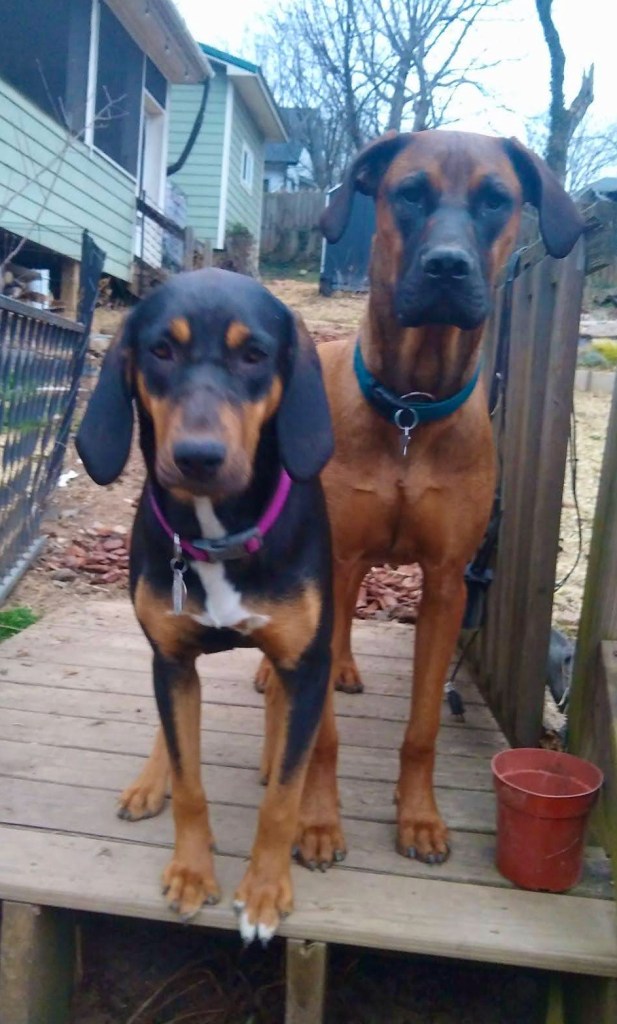
“Hello, human. We are here to consume your sadness.”

In light of these two events, I’ve concluded my dogs are super heroes. “Doodlebug” is my usual nickname for Daisy, but in light of her new hero status, she may need an upgrade. I’m thinking: Daisy the Grief Gobbler.

And Titus can be: Titus the Tear Terminator.

I’ve said it countless times over the past year of fear and misery, and I know I’ll say it again.

Thank God for dogs.

Post-Pandemic Plans

In no particular order…

  • Book a massage
  • Hug my friends
  • Go out for breakfast
  • Write OPEN IN CASE OF PLAGUE on the top of a shoebox, toss all my face masks inside, and stick it in the back of a closet
  • See a movie in a theater
  • Go out dancing
  • Take my laptop to a brewery/cidery/coffee shop, sit by a window, and write for as long as I want
  • Stroll casually through a library
  • Walk by other people without trying to measure 6 feet with my eyes
  • Plan a trip that requires air travel
  • When visiting friends, ask to use their bathroom without fearing I’ve condemned them to death
  • Ride a rollercoaster and scream my head off
  • Take a class – any subject will do, as long as it’s not on Zoom
  • Meditate because I want to, not because I have to to keep from losing my mind

Death Is

The Tao Te Ching was the first religious text I ever read that made real sense to me. It hit home so hard, in fact, that I cried the first time I read it, which was a particularly huge feat at the time (~20 years ago), when I tended to cry on an annual basis.

One theme that runs throughout the Tao is that people erroneously judge and weigh the realities of life. What should be perceived as simple, we complicate. What is truly complicated, we consider simple. And therefore, as we attempt to navigate existence, we spend much of our time completely off course.

In the counseling, reading, and thinking I’ve done on grief over the past six months, I’ve realized my conception of death, and how to respond to it, have been filtered through the very lens described in the Tao. I always viewed death as complicated, but it’s not. Death is simple – neither malevolent nor kind, as plain as it is absolute. There’s no point railing against its wrath, injustice, or unseemly coldness. Death doesn’t answer for itself. It just is.

Many years ago, a friend of mine lost both parents within months of each other, and because I had no idea what to say in the wake of such tragedy, I didn’t say anything. I avoided her, and we drifted apart. I now realize I needlessly complicated the situation. All my friend needed at that time was a benevolent witness – someone to acknowledge the raw pain of her loss. Death is simple, and so is the most meaningful response to it:

“I’m so sorry. I know you’re hurting. I’m here.”

And that’s all. It’s not complicated. I suppose that’s the good news. When faced with another’s suffering, we don’t need to offer advice, redirection, cheer, or distraction, conjure up magical words or devise brilliant strategies to try and salve their pain. All they really want to hear is:

“I’m so sorry. I know you’re hurting. I’m here.”

Simple.