Balancing Act

I haven’t written in a long time. For me, the last several months have been defined by a general numbness, as my system tries, with little success, to process gargantuan levels of rage, disappointment, and despair. While emotional and mental chaos open some people’s creative doors, that’s not the case for me. My imagination has been pushed aside. I don’t even want to work on editing, worried I’ll make my stories worse instead of better.

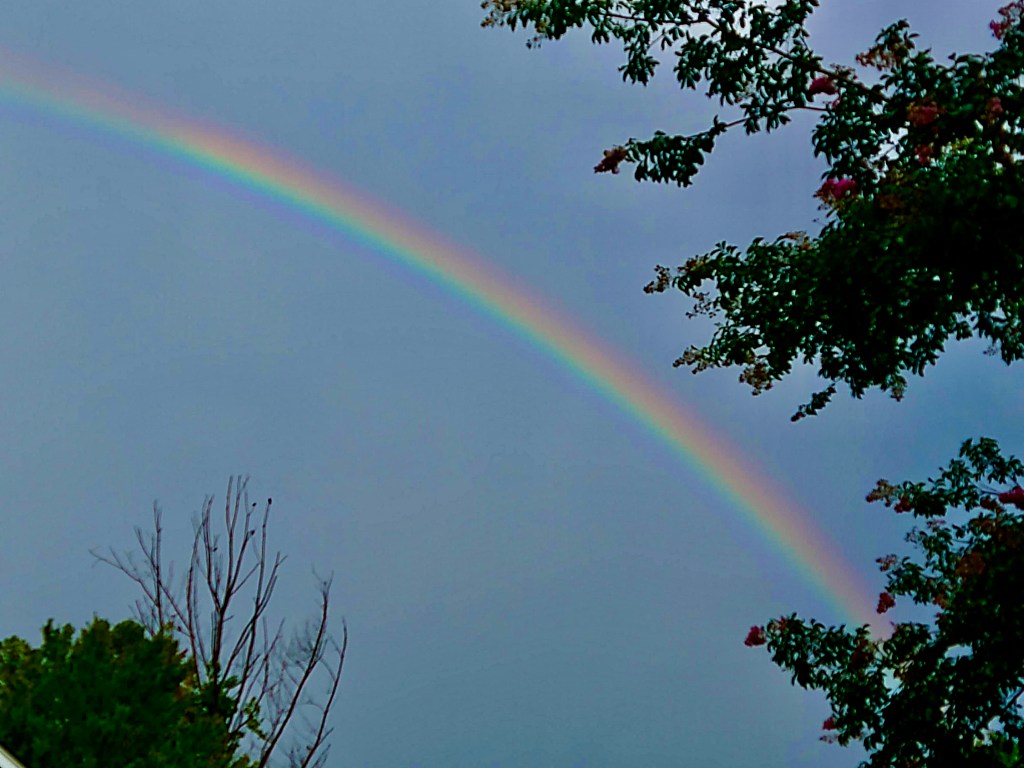
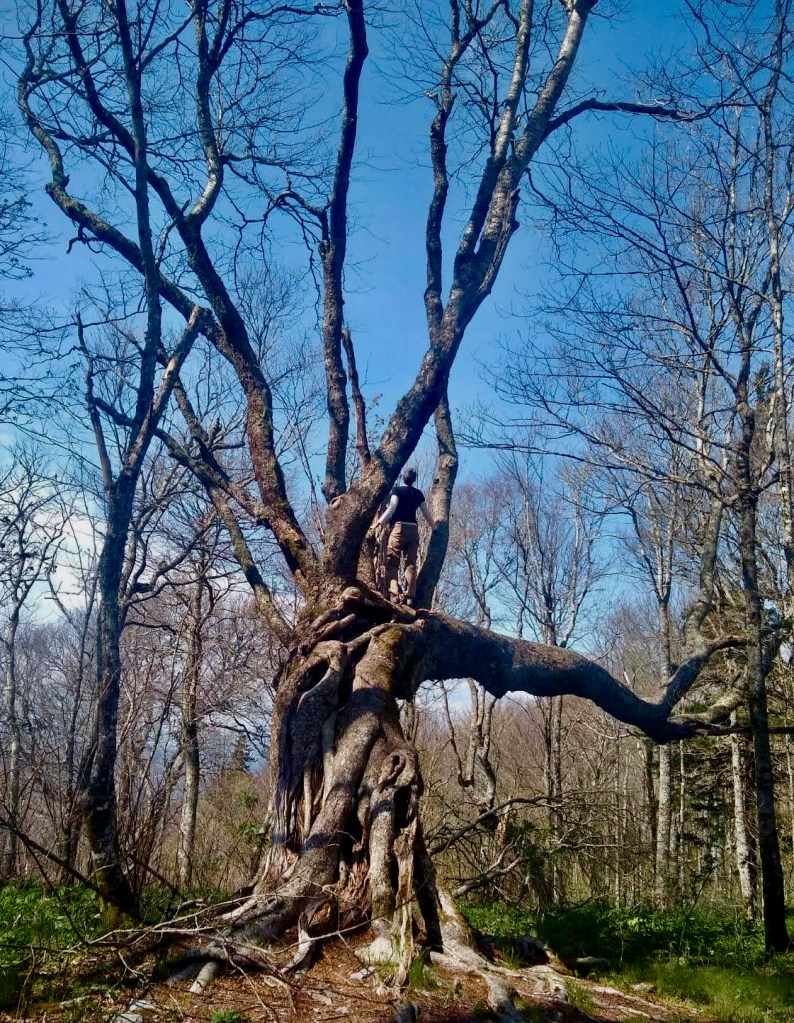
Still, on the eternal quest to hold grief in one hand and gratitude in the other, I continue to take pictures. They serve as ever-present reminders that there is beauty in this world.

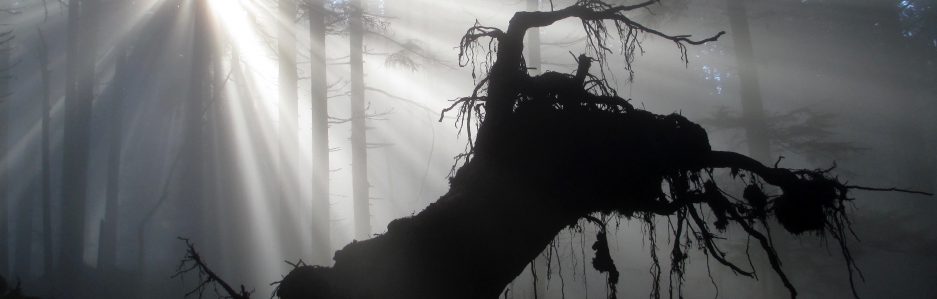
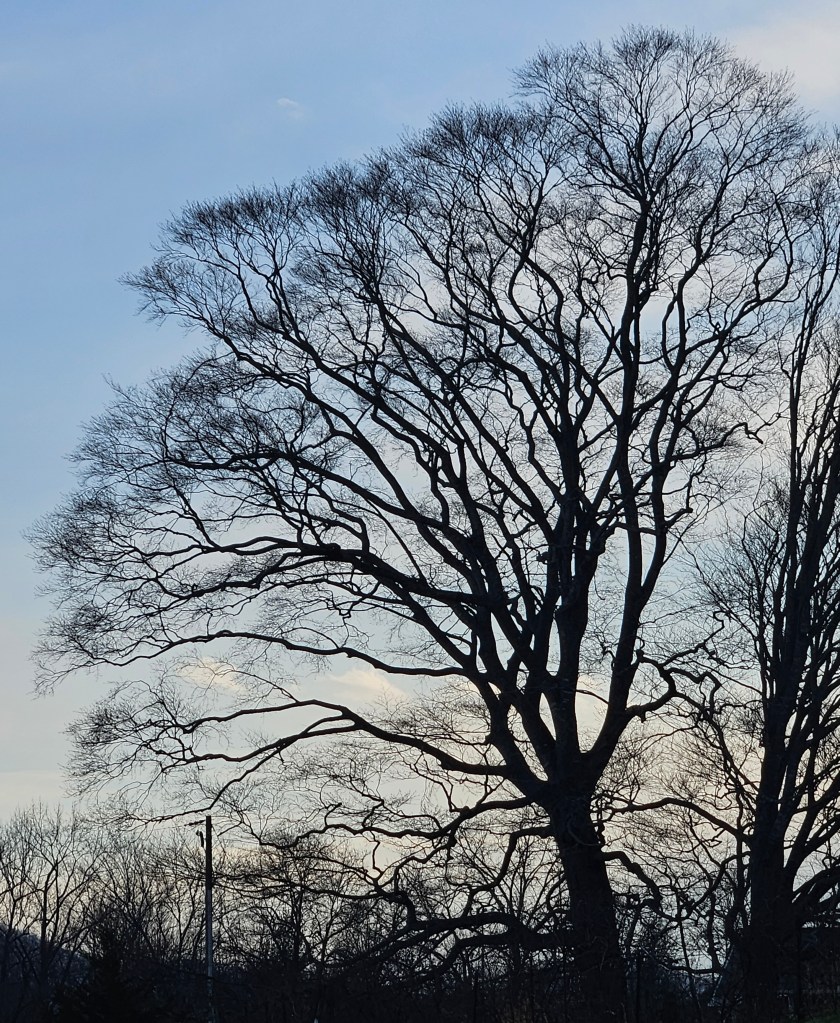
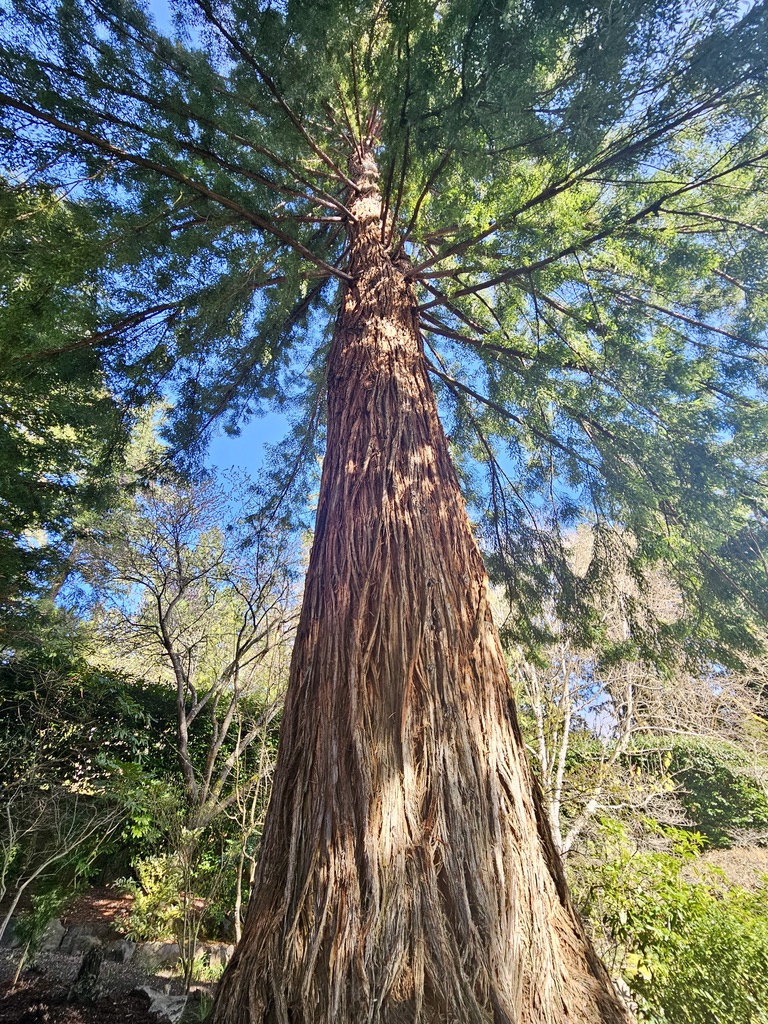
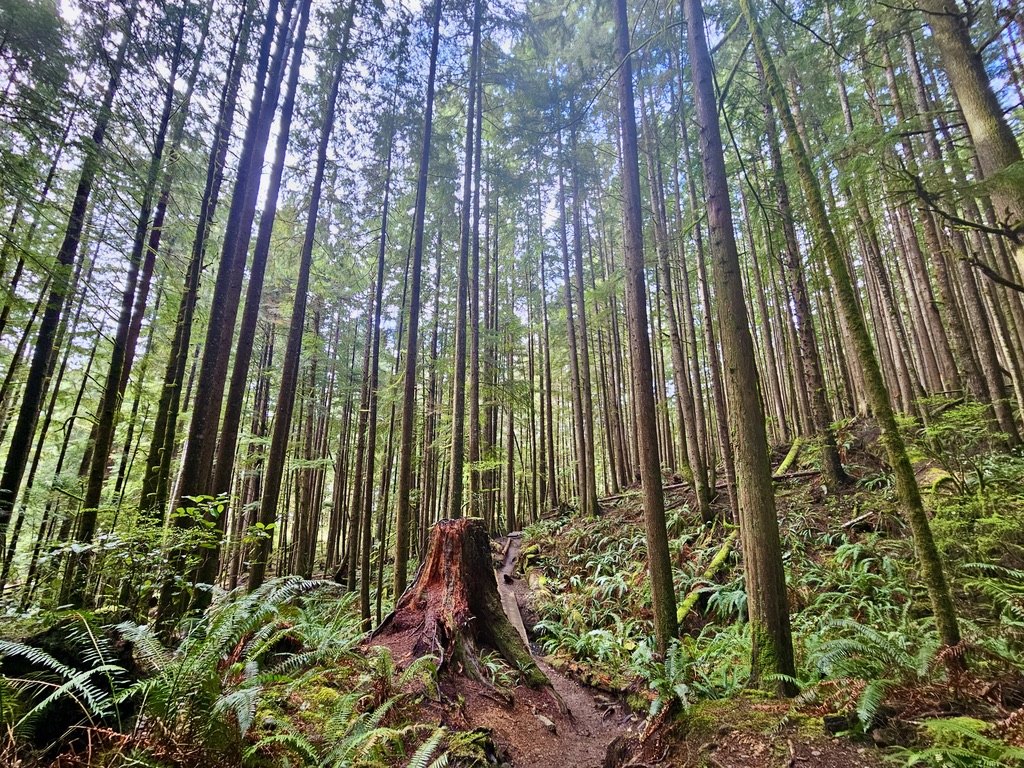
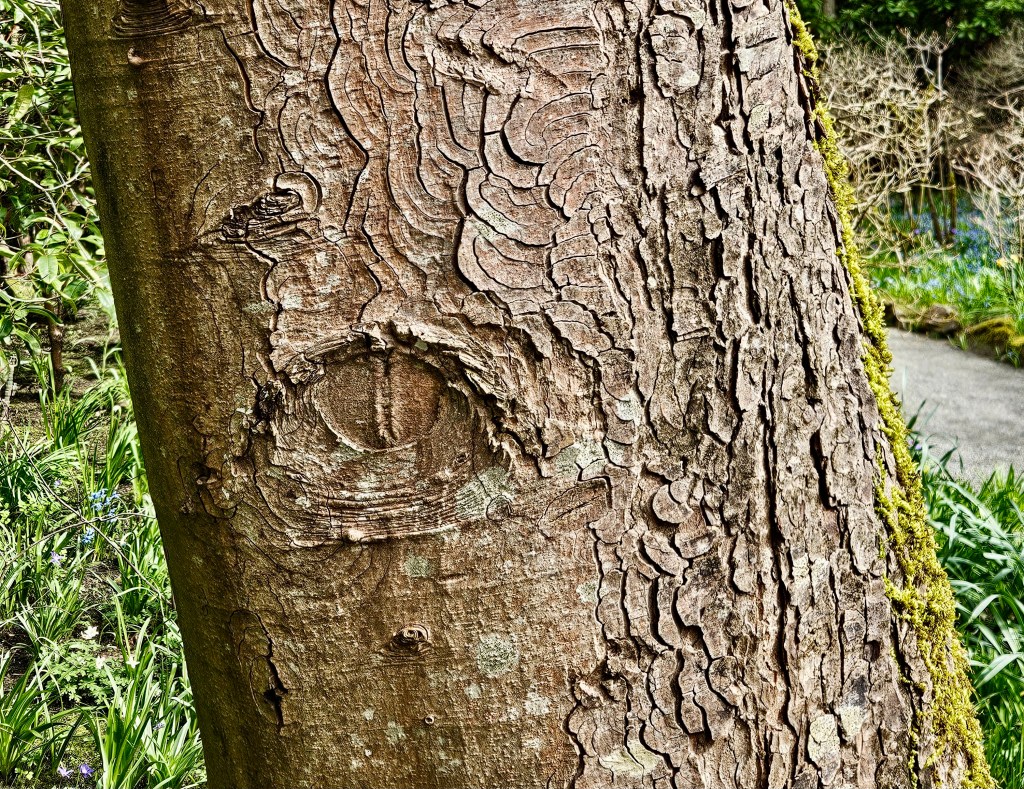
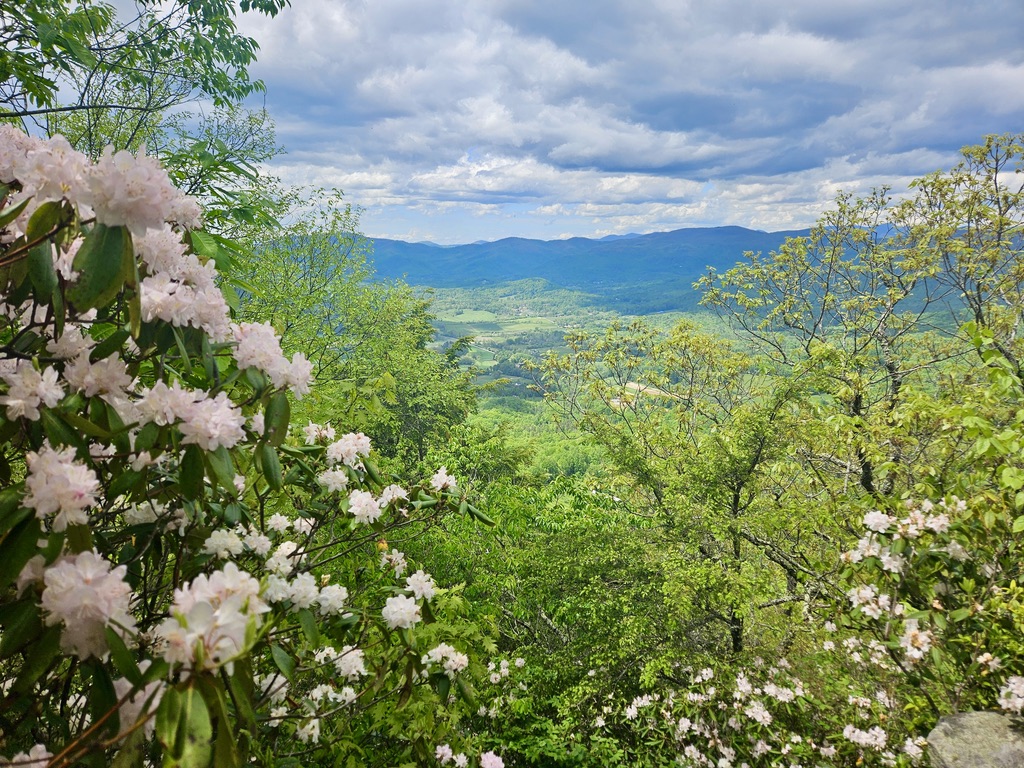
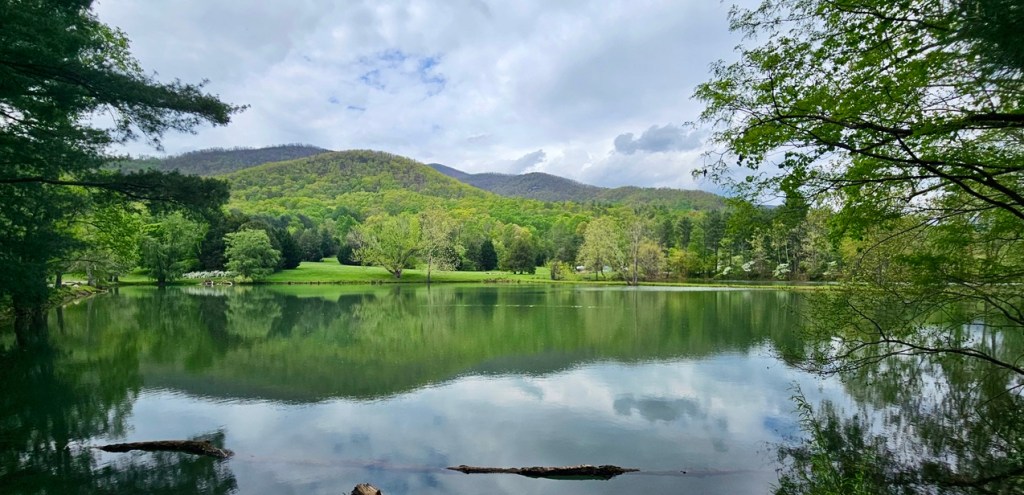
I’ve photographed trees and forests:

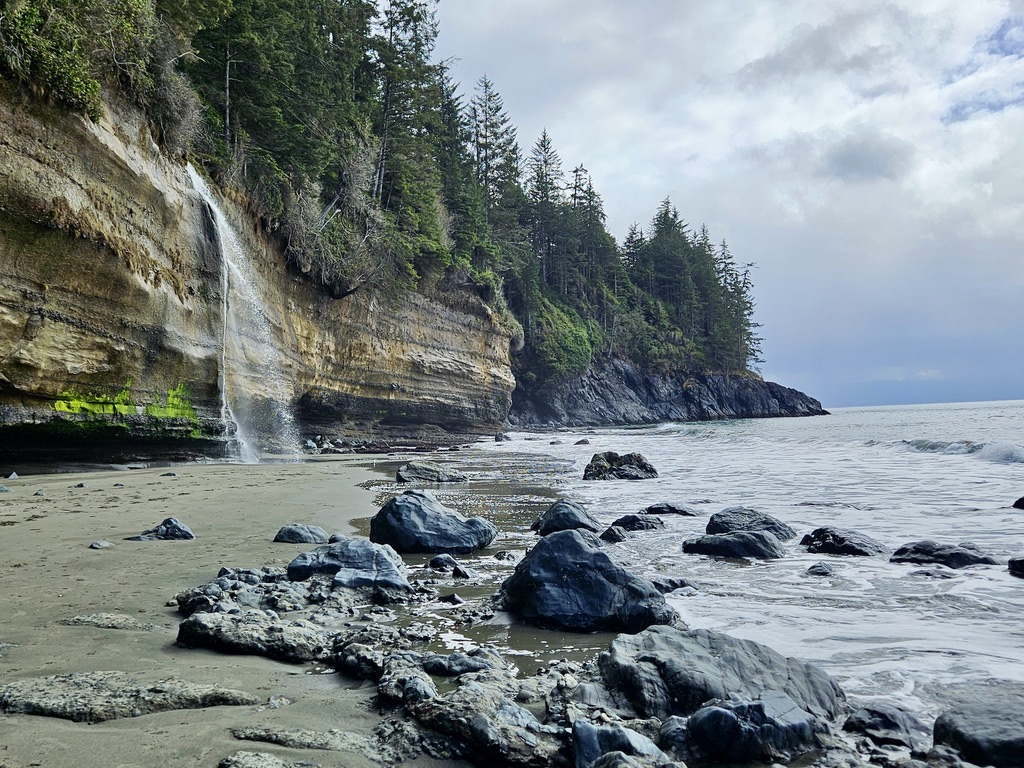
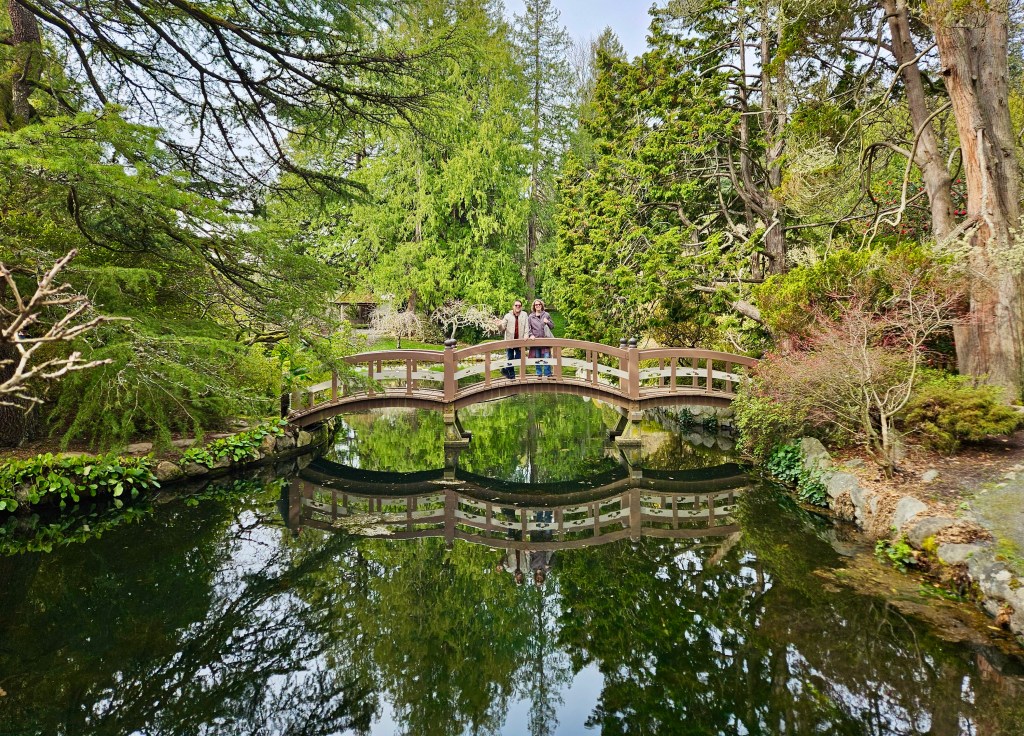
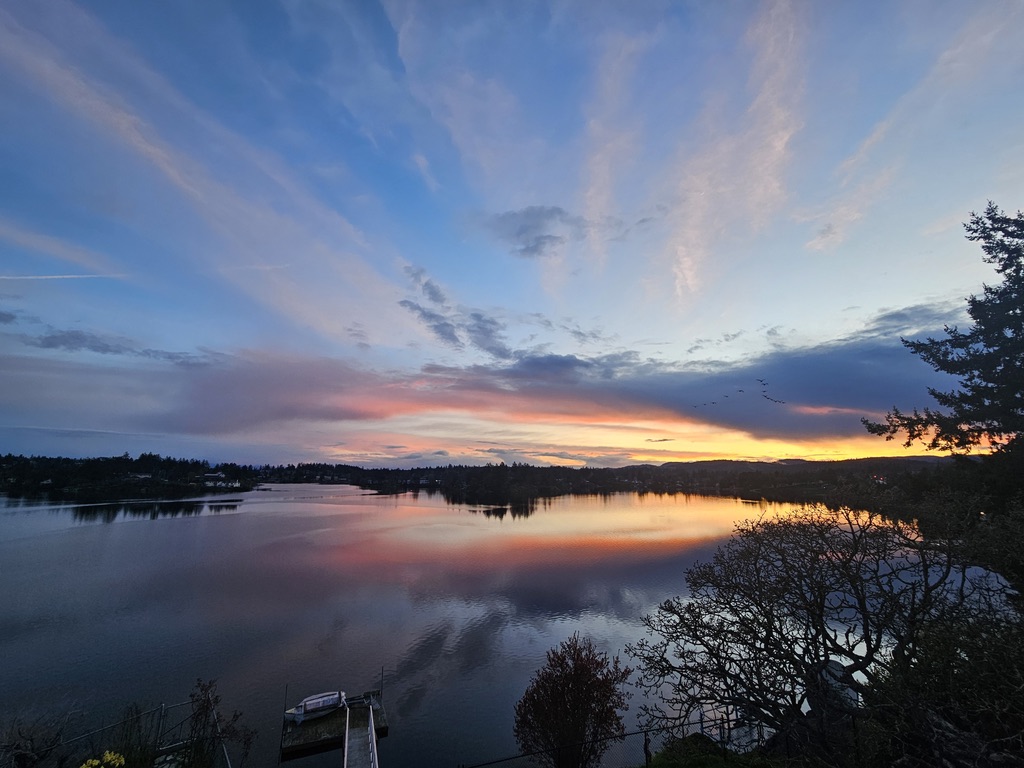
Various forms of water:

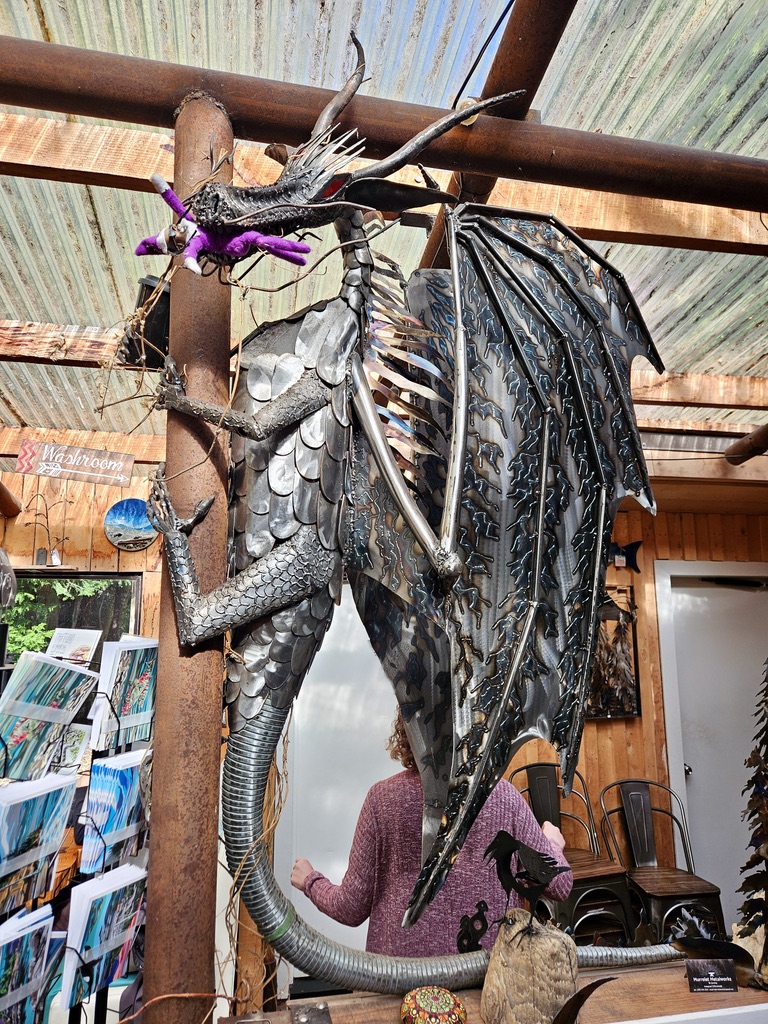
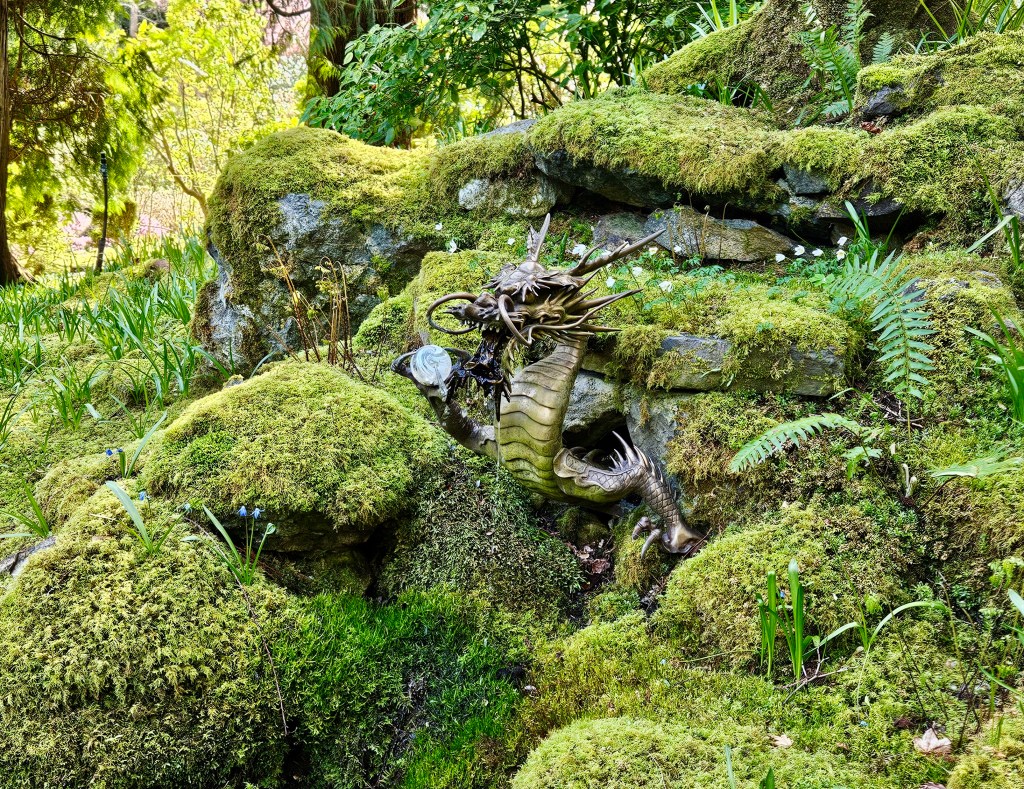
Dragons:

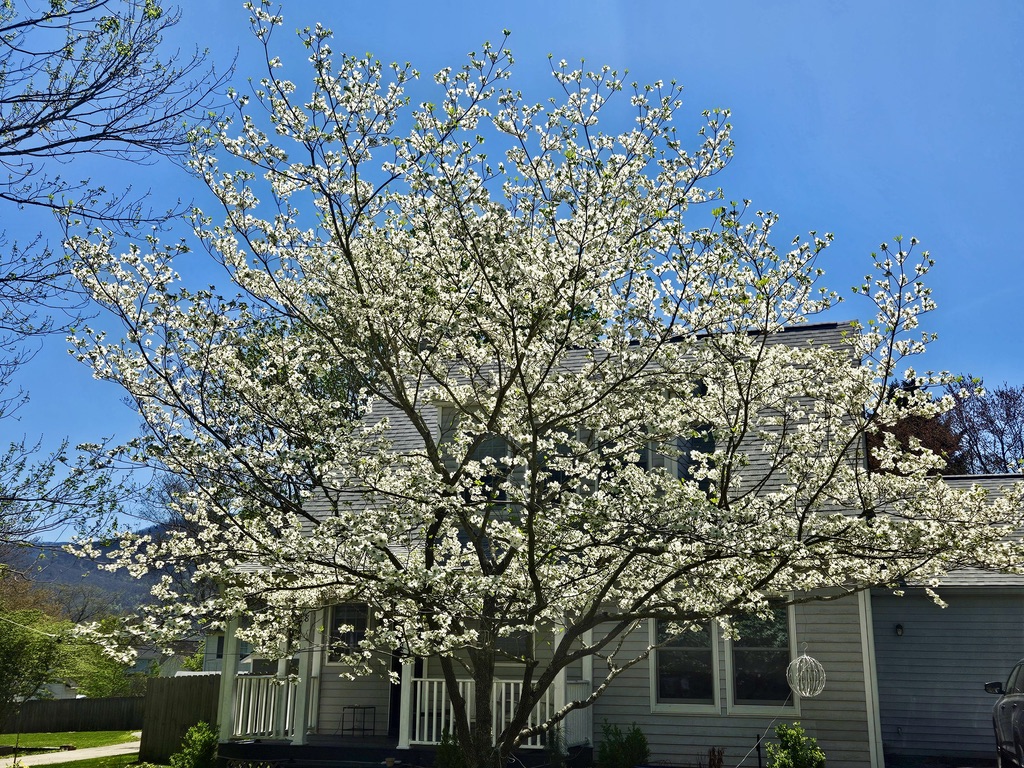
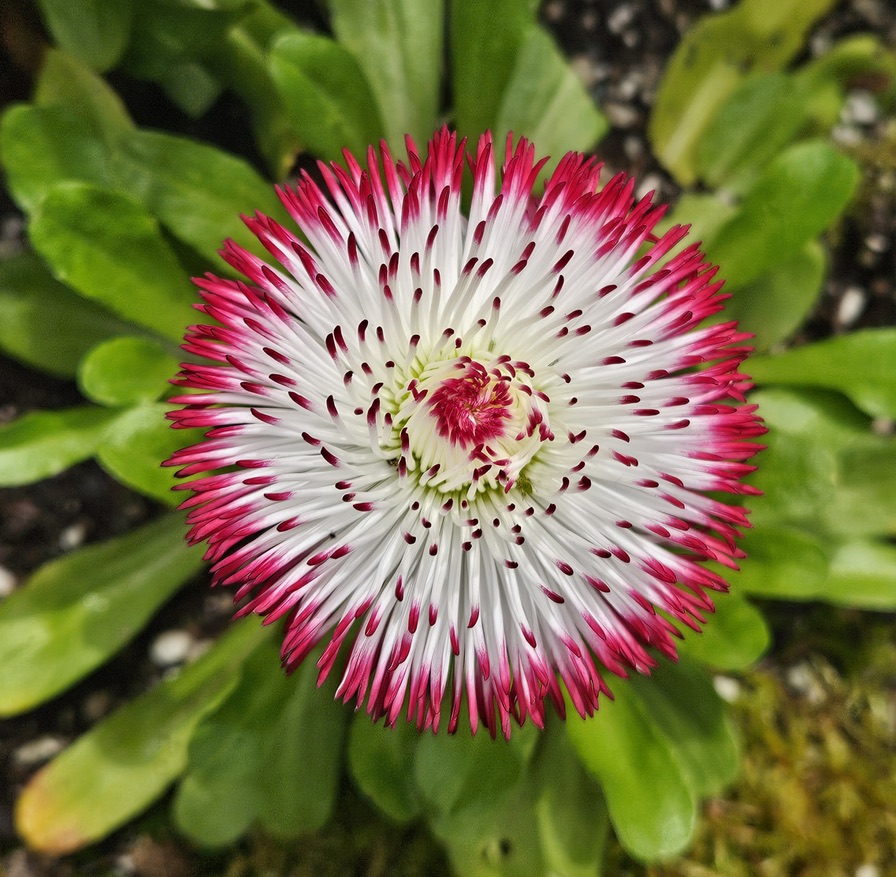
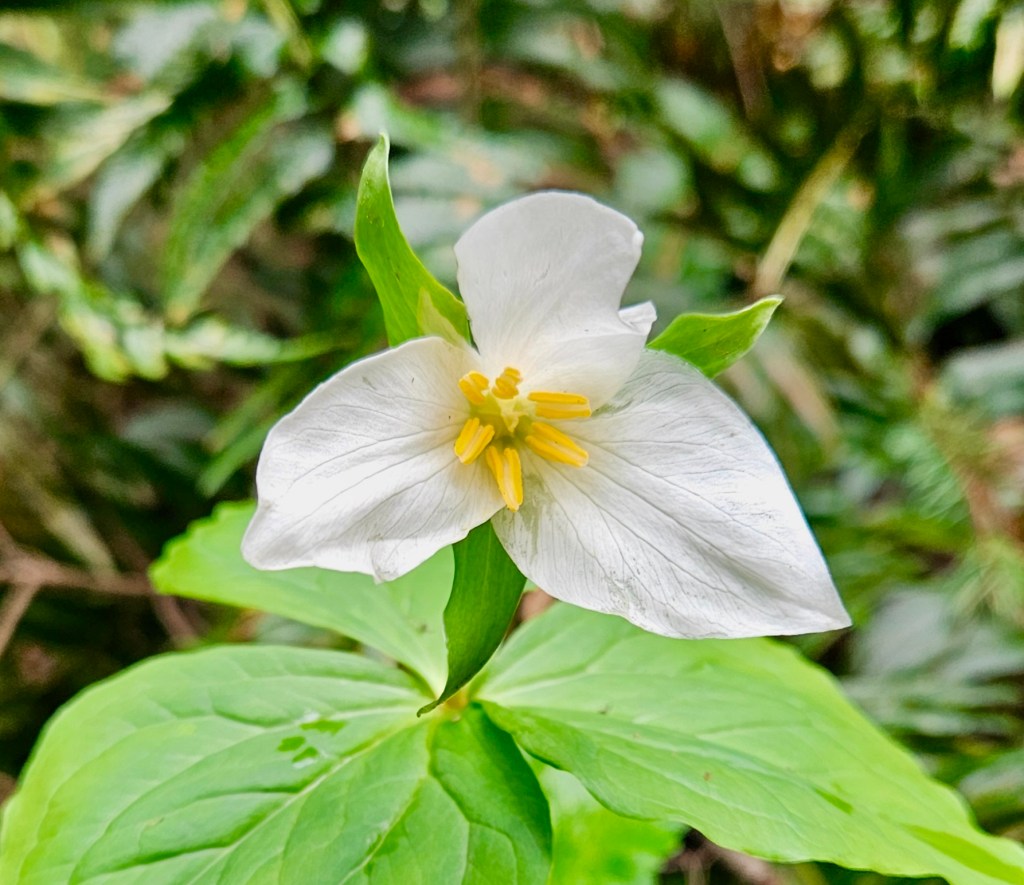
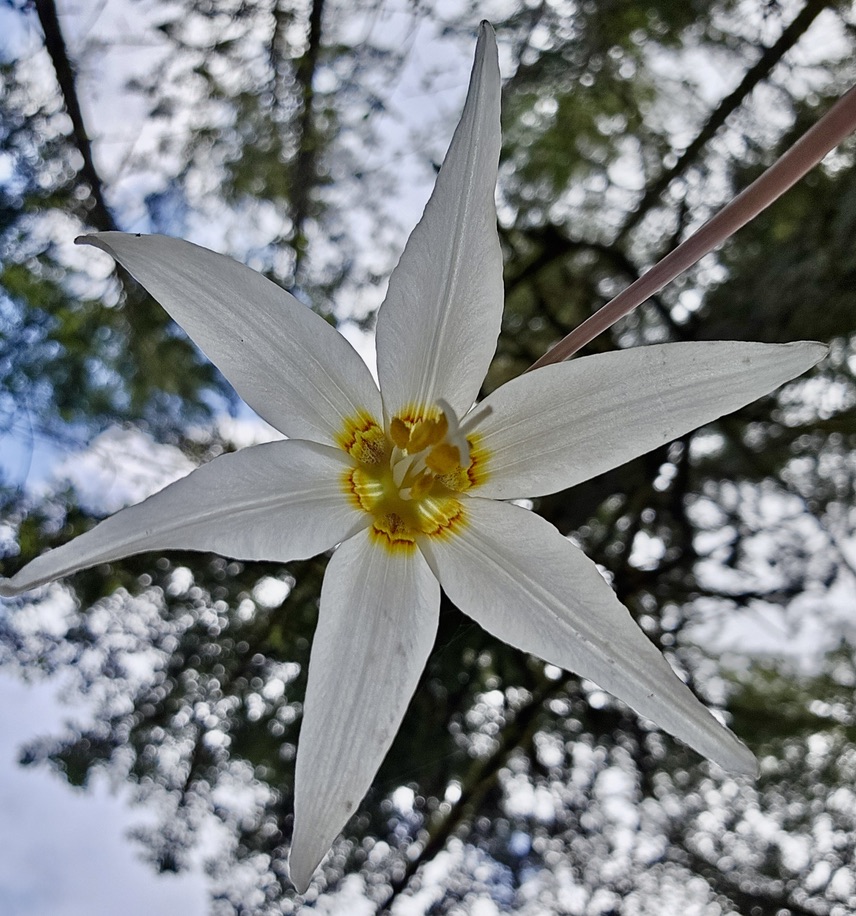
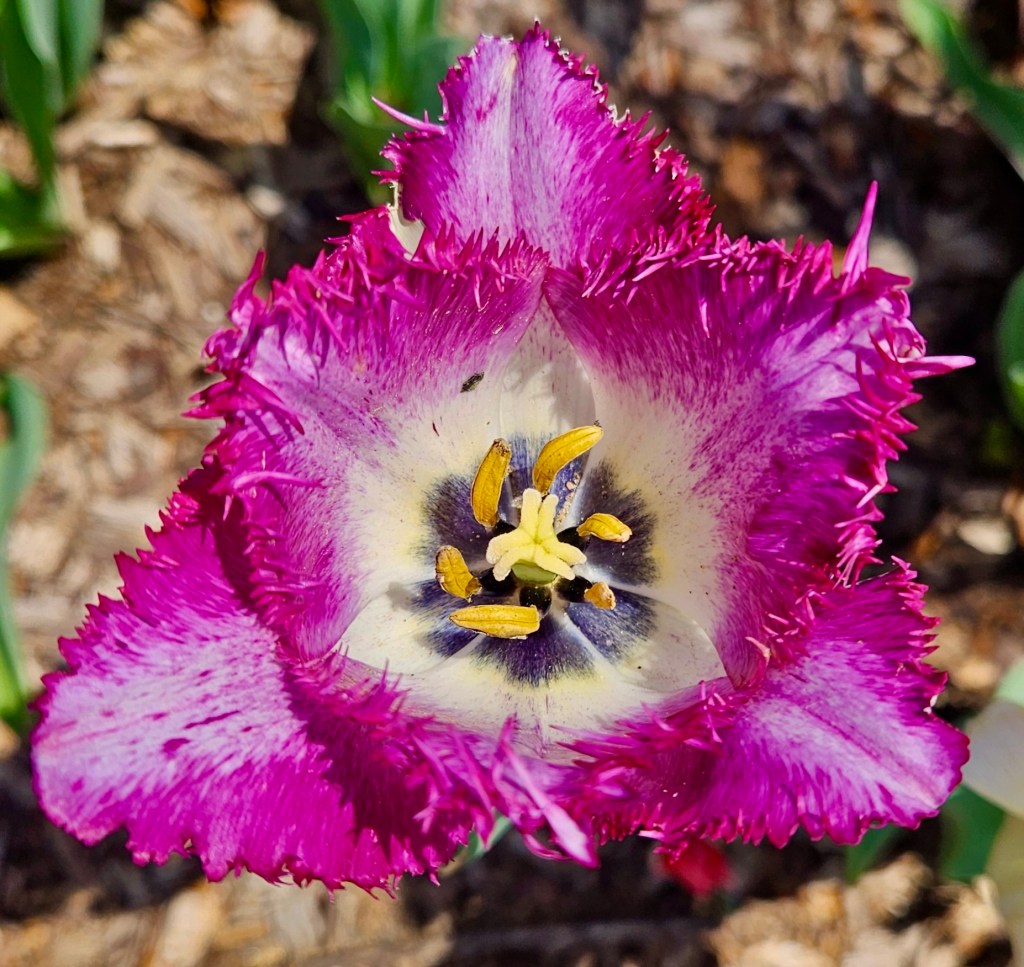
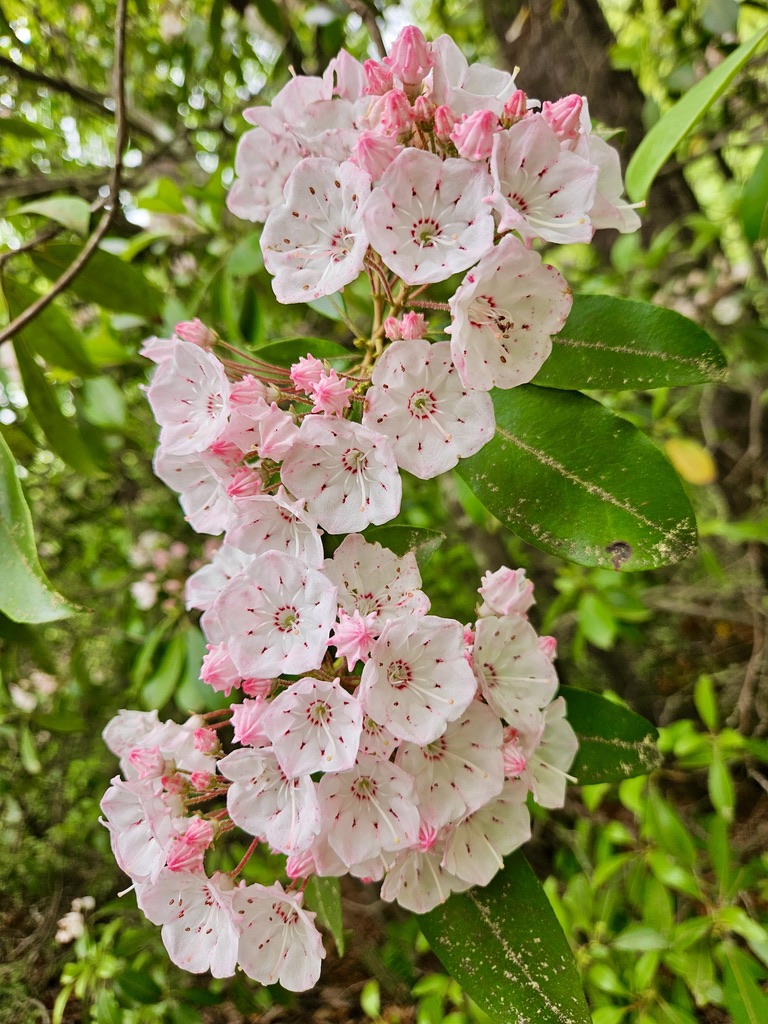
Flowers:

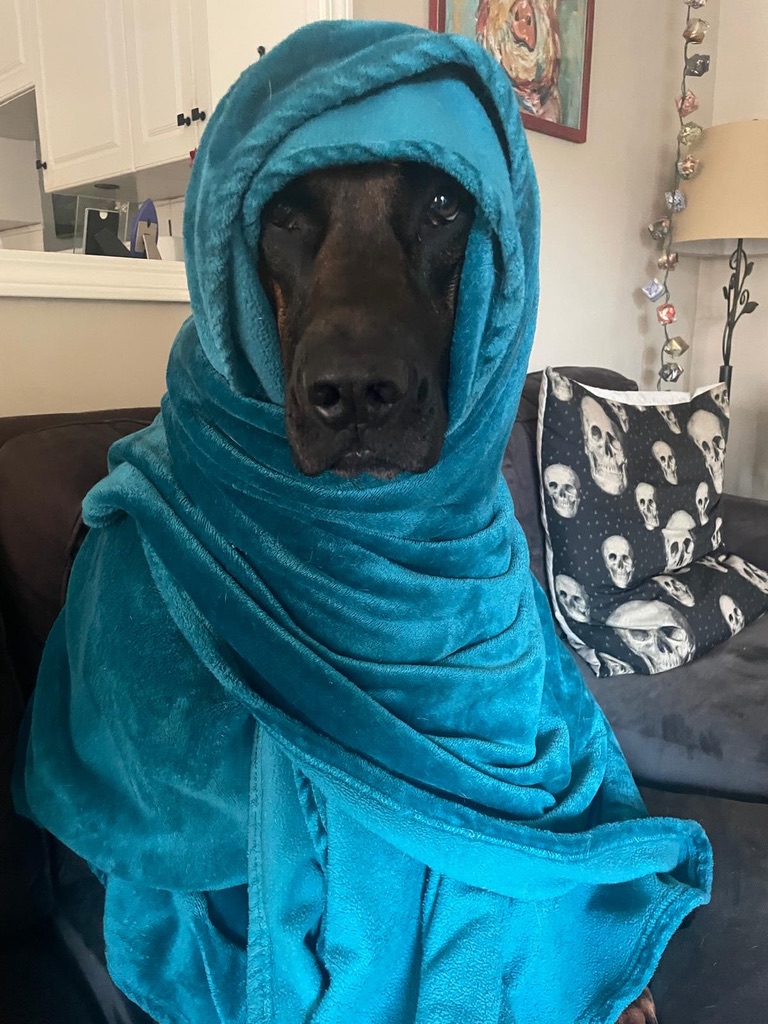
And other fun things, like winter-wrapped Tiny Titus:

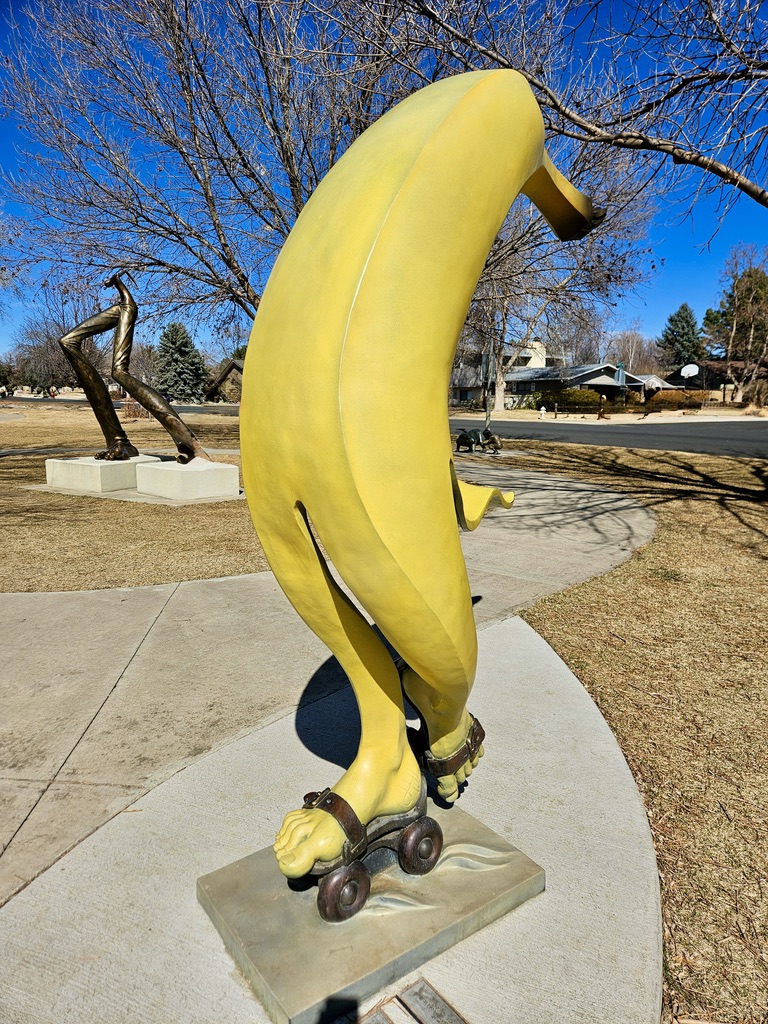
A rollerskating banana:

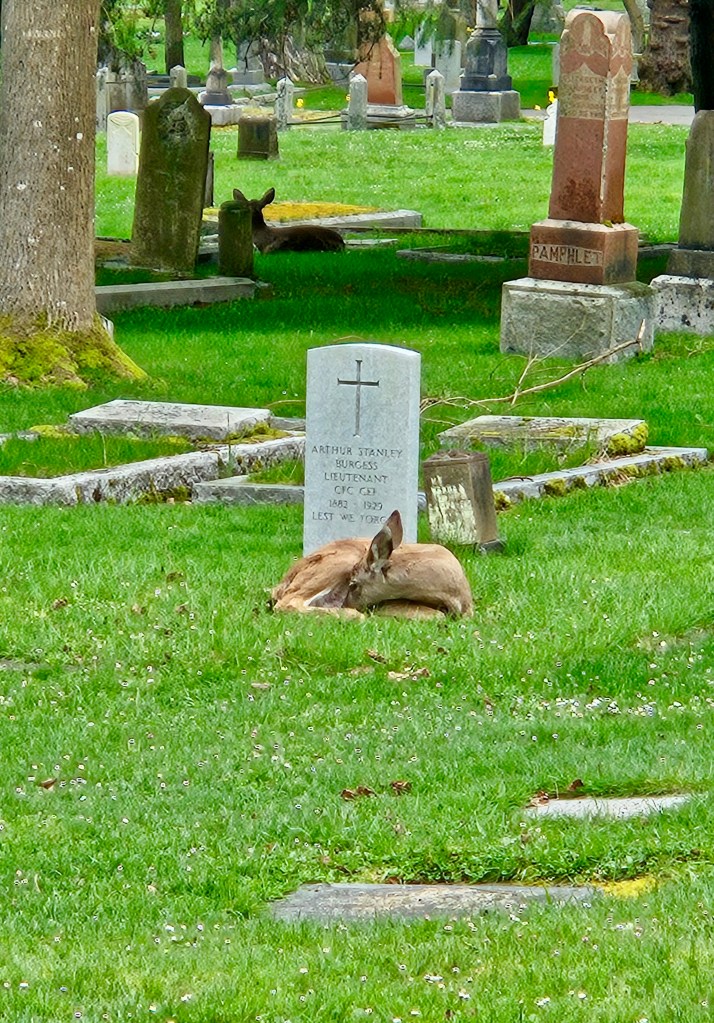
Deer dozing in a cemetery:

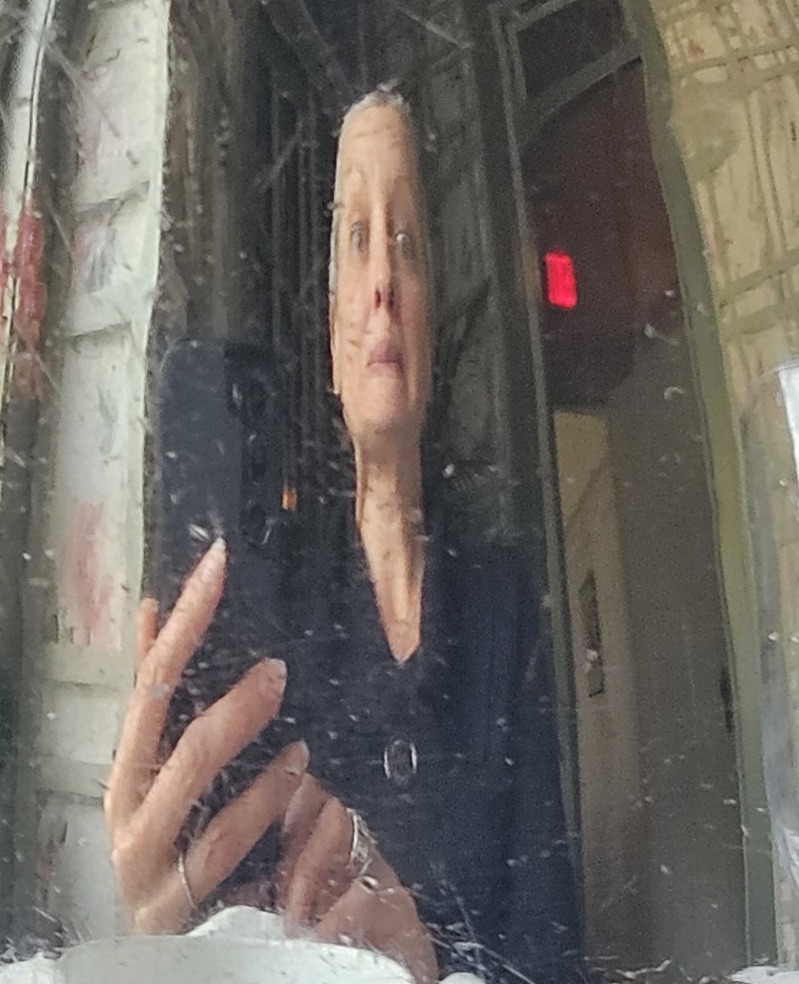
And a silly reflection in a teapot:

Until the numbness fades and my full-scale existence comes back online, I guess I’ll use this space for photos. And in the day to day, I’ll do my best to keep breathing, drink plenty of water, and, as much as possible, stay in the light.

#weathered

A little over a month ago, Hurricane Helene smashed through Western North Carolina, washing away lives, livelihoods, roads, and homes. People are still without water and power. Many have died. Some are still missing. The piles of debris are like a new, tragic set of mountains – giant heaps of gutted houses, smashed cars, and god-knows-what that washed downriver.

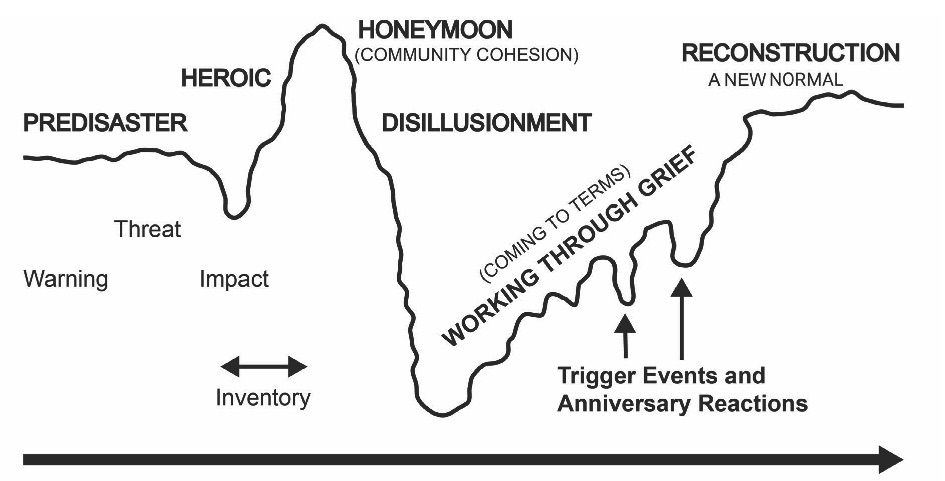
Soon after the storm, a friend sent me this diagram, titled The Emotional Life Cycle of a Disaster Explained:

Given the level of destruction in WNC, the timeline between “Honeymoon” and “Reconstruction” will be a very long one, and some things can’t be reconstructed, like the thousands of downed trees. Yes, we’ll plant new ones, but it’ll be hundreds of years before they provide the lush, cooling canopies of the past.

Despite the reality of these dire circumstances, as soon as the storm blew through, the #strong label was everywhere. When did this phenomenon begin – maybe fifteen, twenty years ago? In the immediate aftermath of catastrophes, communities self-declare as, or are proclaimed to be, #strong.

I get the sentiment behind it: We will not be cowed by this. We are brave. We are resilient. We will persevere. And all of that is true. The WNC community has been incredible in its unity, compassion, generosity, and untiring aid over the past month.

But the instant, automatic application of #strong also sidesteps important parts of reaction and recovery. What about mourning and working through grief? What about granting ourselves the grace to collapse a little? What if, as I see scenes of destruction and hear stories of lost family members, friends, neighborhoods, and homes, I don’t feel like being #strong? What if my feelings are more along the lines of #gutted, #exhausted, or #curledinaballofsadness?

When I do feel hopeful, helpful, and encouraged – which is more and more often these days – I’m still balancing those feelings with profound grief and loss, like #strong + #heartache. And that’s okay. Recovery is complicated, and accepting the presence of pain is its own kind of strength.

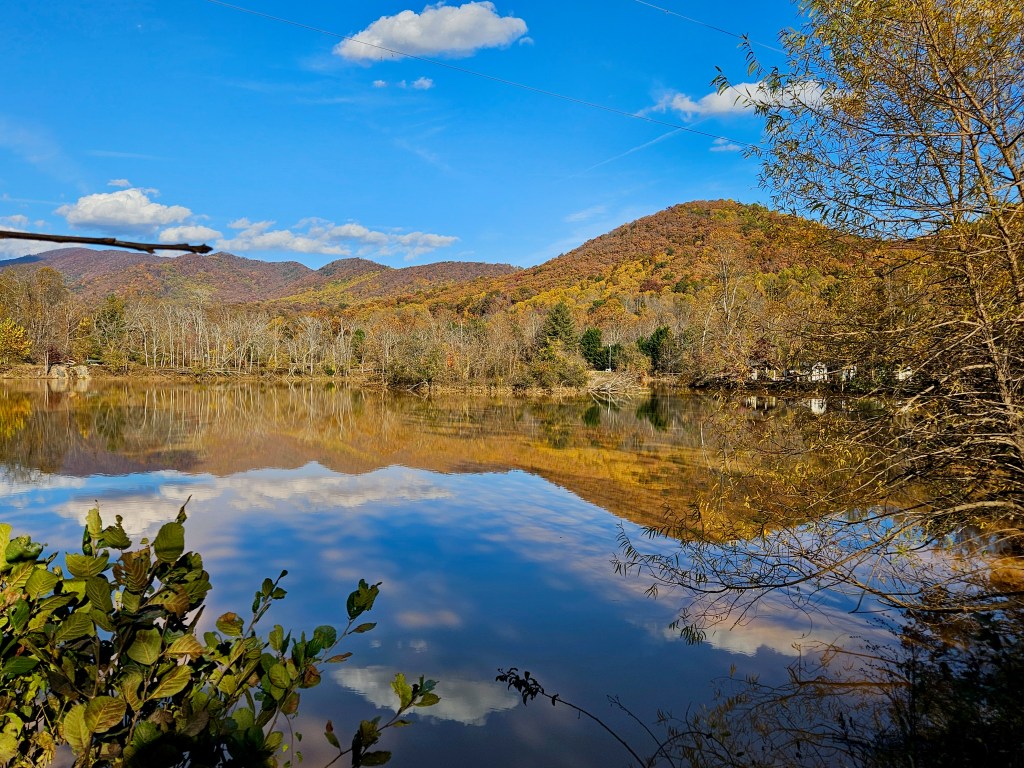
I took this photo last week. It gives me hope. The water, though full of silt, still offers a reflection. Trees are down in those mountains, but many more stand than have fallen. This land grieves, buries its dead, and spawns new life. It is broken, and it is healing, and it is strong.

❤️

[For folks wanting to donate to WNC’s recovery, Beloved Asheville, Samaritan’s Purse, and Hearts with Hands are doing amazing, hands-on work throughout the region, and the River Arts District and LEAF Artist Relief Fund are collecting funds to support and rebuild the arts community.]
Four Years

On the morning of Monday, September 14, 2020, I received a message from my supervisor, letting me know that my colleague’s mother had died of COVID over the weekend. My heart ached. When I’d talked with my colleague the week before, she’d told me her elderly mother had developed a fever and started to cough, and I knew this was the eventuality she’d feared most.

Needing to clear my head, I decided to take a quick walk before the workday began. About two blocks from home, Mom called. “I can’t believe I have to tell you this,” she said in a tone I’d never heard before. “Daddy died.”

I turned around, already blinded by tears, and stumbled back to the house. My husband’s eyes grew wide when he saw me. I choked out what had happened, and he yelled, “No!” We held each other and sobbed. When I was able to catch a breath, I told Mom I’d pack a bag and head to her house right away. Before leaving, I sent a quick text to my supervisor: My dad died last night. Heading to my mom’s. I’ll be in touch when I can. In the back of my mind, I wondered if my supervisor would even believe me, given that morning’s news about my colleague. What are the chances that both of his employees would lose parents on the same weekend? (As my dad would’ve said: “Apparently 100%.”)

A few minutes from Mom’s house, the skies opened up, and I drove the final mile of steep, twisting mountain roads in a blinding rainstorm. My knuckles were white and jaw clenched tight by the time I pulled into Mom’s driveway. She stood in the garage, her face pinched with worry. Apparently, we were both in the same mindset about the likely outcome of my drive through this storm. Given our family’s recent circumstances – six months into my sister’s cancer treatment, tag-teaming with my parents to care for 8- and 5-year-old boys who couldn’t go to school or see friends, and preparing for my sister’s upcoming hospitalization for a stem cell transplant, scheduled the following week – it would’ve been entirely apt for me to be swept off a cliff by a flash flood on the morning of my father’s death.

But that didn’t happen. We went on. One foot in front of the other. Gallons of tears shed. Countless deep breaths. And somehow, four years passed.

Since I hang the necklace I wear every day on a photo of Dad and me, I look at his smiling face at least twice a day. Sometimes I look at him and think, I’m sorry you missed this. You would’ve loved it. Other times, I think, I’m glad you’re not here for this. Because I know some events would’ve made him furious, or despondent, or just left him feeling helpless.

And every single time the necklace goes on or comes off the frame, I think, I miss you. That sentiment never wavers.

Endings

In my final week on Orcas Island, where I’d lived alone for three months to focus on writing, every ending made me cry. The end of a book. A hiking trail. A meal. A football game. With each one, I choked back sobs and wiped away tears, wondering how I’d become so fragile. After a few days, I figured out the pattern. My life on the island was about to be over, filling me with so much grief that all other endings did the same.

About a month ago, I started to experience similar, spontaneous bouts of distress. I’d be in a meeting, on a walk, or spending time with friends when my heart would start to race and a lump would rise in my throat. Having been through this before, it didn’t take long to pinpoint the cause. I’m nearing the end of a book I’ve been working on since 2012, and no matter how exciting it is to approach the finish line, I always get a bit sad when I finish a piece of writing. For the past eleven years, I’ve been hanging out with this cast of characters on a world I created, and all of that is coming to an end.

But there’s another layer to the grief that accompanies the completion of this story. My dad, who passed in 2020, was one of its first readers, critics, and fans. When I wrote the Acknowledgements section of the first part of Aret back in 2016, I began with this:

Before reading Aret, my father (who reads about five books a week) had never read a single book in the fantasy genre, as he had zero desire to do so. But because he is meticulous, highly critical, and frank (which also happens to be his name), I asked him to be one of my first readers, then burdened him with each major revision (I believe there were four or five, although he estimates the number at closer to a hundred). With each reading, he’d take several pages of notes, and we’d spend hours together so I could “defend my dissertation” while he inundated me with questions and critiques. Although I know he’d prefer it if I wrote about spies, the Old West, fly fishing, or the Napoleonic Wars, he worked tirelessly on Aret. Dad – thank you.

I wrote those words with the confidence of someone who had no idea what life would bring. It never occurred to me that Dad would die before I finished the story. I thought we’d be on the journey together – him brutally criticizing every word while also celebrating the characters and plot points that brought him joy. As I reach the final page, there is a huge, unmistakeable void in my writing process. Dad should be here to see how it ends, and he isn’t.

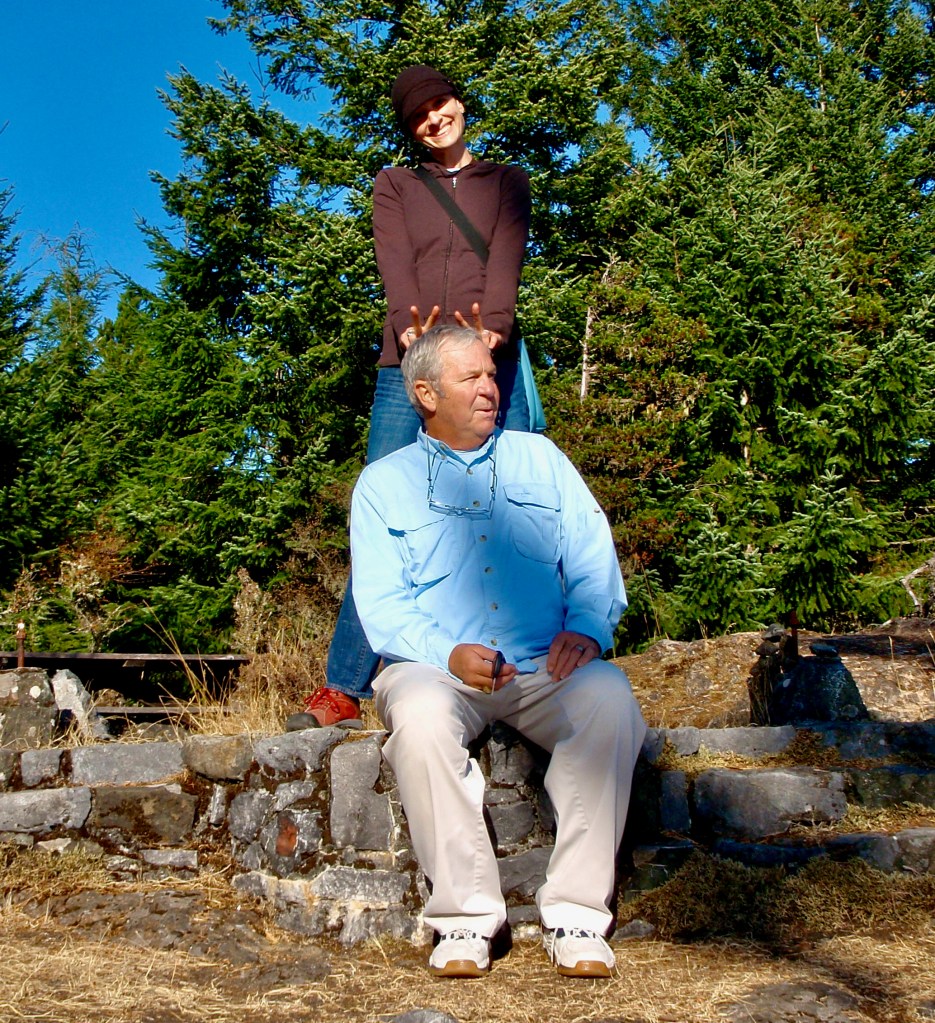
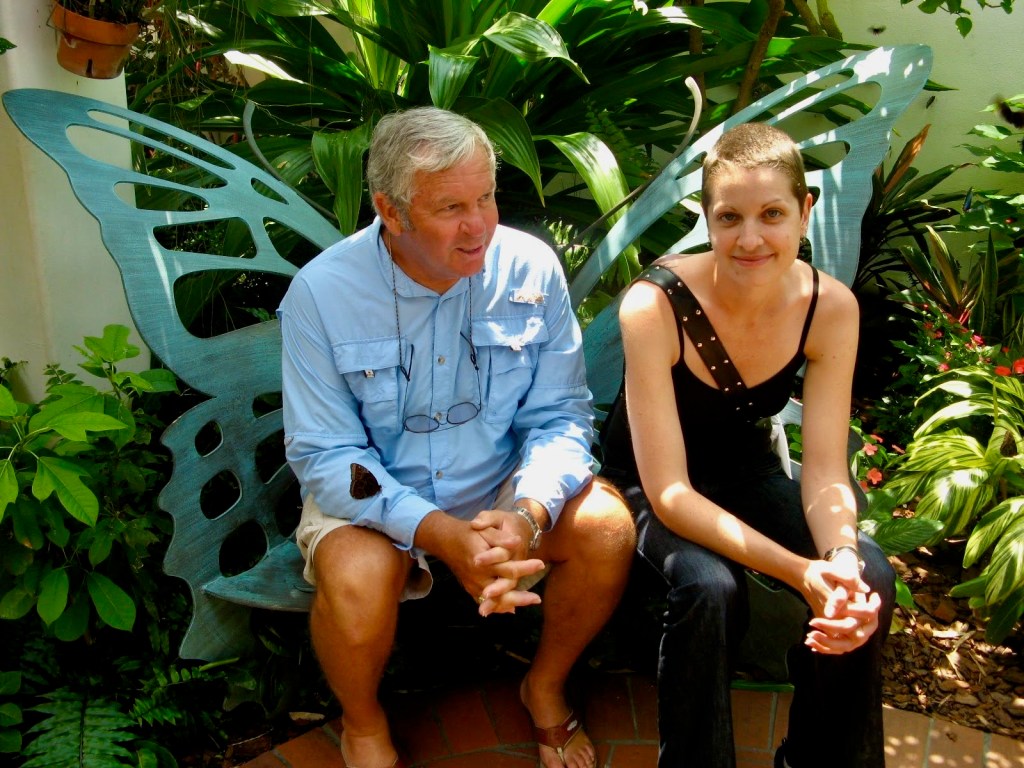
A few days ago, I looked through photos of my parents’ visit to Orcas, back when the world of Aret was just coming to life. I found this shot of Dad and me at the Little Summit in Moran State Park:

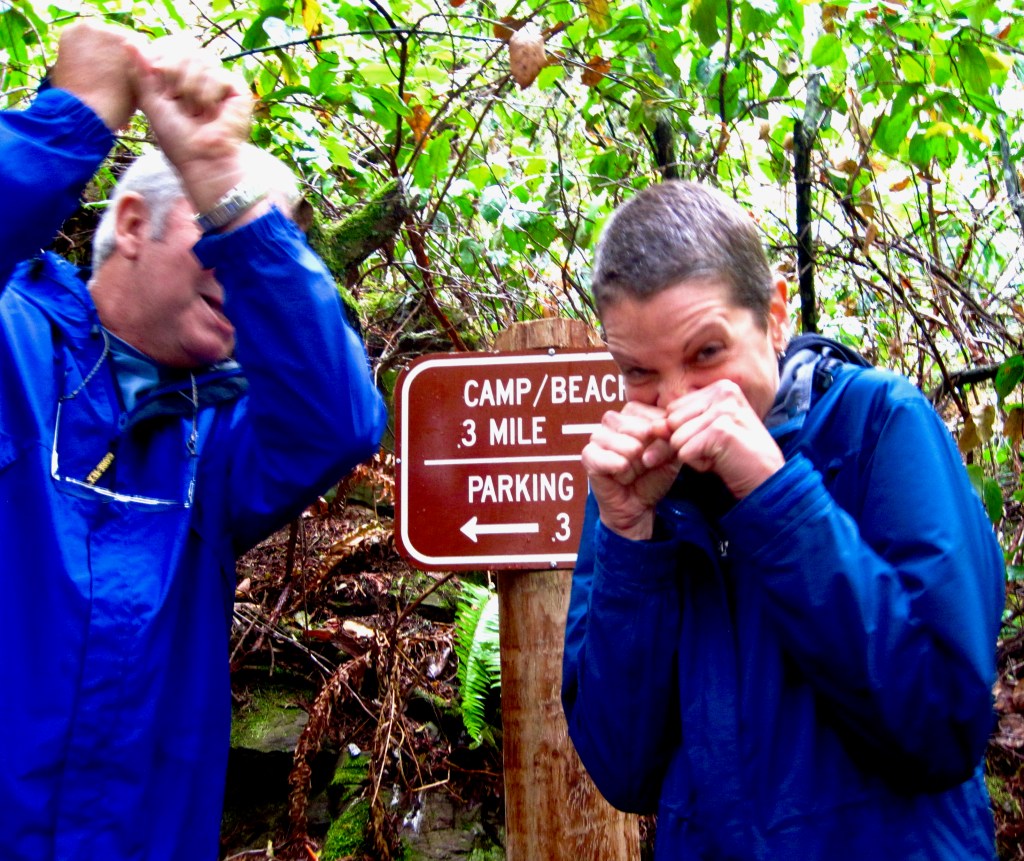
And this one of Dad beating me with an imaginary baseball bat after I accidentally took him on an hourlong hike that was supposed to be half a mile:

(Anyone who’s hiked with me knows this is par for the course, but Dad was unamused.)

Photos and memories like these help to balance the grief of his loss with gratitude for the silly and loving relationship we had. He helped me develop a thick skin, along with a greater ability to accept criticism, and that made me a better writer.

Thank you, Dad, for everything. What I tell myself is that you would’ve hated the way I ended the story, and you would’ve fought me on it, and it would’ve been a whole thing. So maybe it’s better this way. 😉

But really, I just miss you, and I wish you were around to help me navigate and celebrate this ending.

We Miss You, Mister Buttface

Some dates have weight, and for me, September 14th is a heavy one. On 9/14/2012, I arrived on Orcas Island, where I lived alone in a magical wonderland and wrote Aret. And on 9/14/2020, Dad died in his sleep, setting my world off its axis with his sudden, permanent absence.

The juxtaposition of those two dates reminds me of Francis Weller’s guidance to hold grief in one hand and gratitude in the other, which is also how I try to balance memories of Dad. For each that brings a lump to my throat and tears to my eyes, I try calling to mind one that makes me laugh.

Like this:

My sister and her two boys were visiting my parents for the weekend. While the boys were goofing around during bath time, out of the clear blue sky, 4-year-old Henry called my dad “Mister Buttface.” Upon seeing the resultant, terrifying look on Dad’s face, Henry cried, “I’m sorry! I’m sorry I’m sorry I’m sorry!” And that should’ve been the end of it, right? But no. On his way out of the bathroom a few minutes later, Henry called, “Oh, Graaaaaampy!” When Dad turned around, naked Henry made brazen eye contact, smacked his little butt three times, and dashed out of the room.

I arrived in the aftermath of this incident, and when I asked Dad how he felt about the unexpected, unprovoked attack from his normally sweet grandson, he gazed into the distance and replied, “I’m just trying to imagine what my grandfather would’ve done if I’d ever called him Mister Buttface.”

Dad had a framed photo of the two of us on his dresser, and now it’s on mine. Soon after he died, I had a necklace made from one of the pennies he’d kept in his penny loafers, and when it’s not in use, it hangs on a corner of the picture frame. Each morning, I lift the necklace from the frame and say, “Mornin’, Dad.” And at the end of the day, I return it and say, “Goodnight, Dad.” Sometimes I share news that would’ve been of interest to him, like, “We’re meeting up with Mom to celebrate her birthday,” or, “The boys start school today.”

This evening, to balance out the weight of September 14th, I think I’ll change things up a bit. As I place the necklace back on the frame, I’ll look down at Dad’s smile and say, “Goodnight, Mister Buttface.”

Big Little Things

It’s little things. The dog door breaks. There’s a trail of ants in the kitchen. I find a snakeskin in the backyard. Titus steps on my foot. I knock a bottle of wine off the counter, and it upends into the dishwasher.

Intellectually, I realize they’re little things, but my inner self still curls into a fetal position with each adverse event. I become breathless. Paralyzed. I can’t think. Tears spring to my eyes.

I know what’s going on. For the past several months, my foggy, anxious, grief-ridden state has matched perfectly with that of a populace in the throes of a global pandemic. But as we move out of quarantine, moods brighten, and optimism sparks, my emotions are no longer validated by the population at large. I look around at all the shiny, happy people and think, Well, shit.

But here’s what I’ve decided: It’s fine. I accept it. I’m not going to try to do better, fold in more coping skills, or chastise myself for not feeling hopeful and happy during what, for many, is a hopeful, happy time. My recovery process isn’t attached to the COVID timeline. It’s its own unique beast and will run its own course.

Periodically, I go back in my journals to read entries from past years, and whenever I revisit hard times, I find the written reminders: I won’t always feel this way. And I know that’s true.

For the time being, though, my master plan is only this: Spend as much time as possible hiding out in trees.

My Dog Ate My Grief Homework

Between grief counseling sessions, I’m given homework assignments. The most recent was to create my “loss history graph” – a detailed report of each significant loss in my life, when it happened, and how intensely it affected me at the time. Needless to say, that wasn’t so fun to do, and once I completed the arduous task, I folded the page and tucked it inside a book for safe keeping.

A few days later, I noticed my dog Daisy munching away on a piece of paper. I sometimes give the dogs junk mail to tear apart, so I assumed that’s what it was, but closer inspection revealed the truth. She was eating my loss history graph. After pulling the soggy, tattered page from her mouth, I assessed the damage, which turned out to be minimal. While she’d chewed the edges and blurred much of the writing with drool, the only segment she’d removed entirely were the words: Dad died.

Later that week, my grief counselor and I both had a good laugh as I held up the pitiful remains of my loss history graph and explained what had happened. I mentioned how strange it was that Daisy had gone so far as to pull the page out of a book, which she’d never done before. My counselor, also a dog lover, spoke of dogs’ intuitive nature and suggested (somewhat tongue in cheek) that Daisy might have sensed that particular piece of paper made me sad and figured she could help me out by eating it.

Her nod to dogs’ intuitive and protective tendencies reminded me of an incident not long after Dad’s death. I’d left Titus asleep on the couch and gone into the bedroom to cry. Soon after I left the room, I heard Titus plop onto the floor and prepared to be tackled by a giant, exuberant puppy, as was his norm. But the wild assault never came. Instead, Titus crept onto the bed, crawled up to my head, sniffed at my face, and gently licked the tears from my cheeks.

“Hello, human. We are here to consume your sadness.”

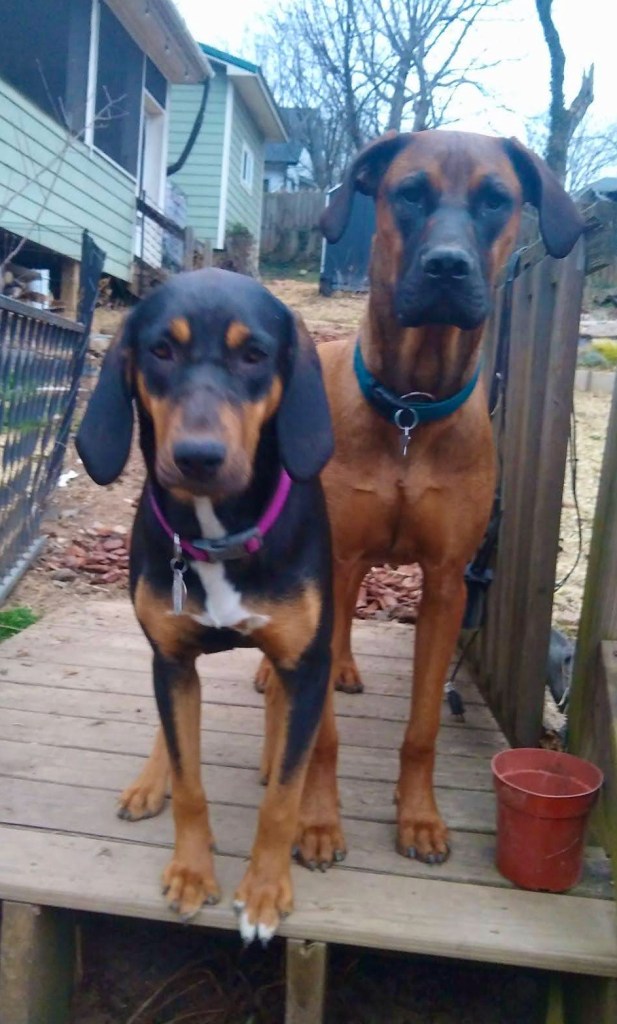
In light of these two events, I’ve concluded my dogs are super heroes. “Doodlebug” is my usual nickname for Daisy, but in light of her new hero status, she may need an upgrade. I’m thinking: Daisy the Grief Gobbler.

And Titus can be: Titus the Tear Terminator.

I’ve said it countless times over the past year of fear and misery, and I know I’ll say it again.

Thank God for dogs.

Death Is

The Tao Te Ching was the first religious text I ever read that made real sense to me. It hit home so hard, in fact, that I cried the first time I read it, which was a particularly huge feat at the time (~20 years ago), when I tended to cry on an annual basis.

One theme that runs throughout the Tao is that people erroneously judge and weigh the realities of life. What should be perceived as simple, we complicate. What is truly complicated, we consider simple. And therefore, as we attempt to navigate existence, we spend much of our time completely off course.

In the counseling, reading, and thinking I’ve done on grief over the past six months, I’ve realized my conception of death, and how to respond to it, have been filtered through the very lens described in the Tao. I always viewed death as complicated, but it’s not. Death is simple – neither malevolent nor kind, as plain as it is absolute. There’s no point railing against its wrath, injustice, or unseemly coldness. Death doesn’t answer for itself. It just is.

Many years ago, a friend of mine lost both parents within months of each other, and because I had no idea what to say in the wake of such tragedy, I didn’t say anything. I avoided her, and we drifted apart. I now realize I needlessly complicated the situation. All my friend needed at that time was a benevolent witness – someone to acknowledge the raw pain of her loss. Death is simple, and so is the most meaningful response to it:

“I’m so sorry. I know you’re hurting. I’m here.”

And that’s all. It’s not complicated. I suppose that’s the good news. When faced with another’s suffering, we don’t need to offer advice, redirection, cheer, or distraction, conjure up magical words or devise brilliant strategies to try and salve their pain. All they really want to hear is:

“I’m so sorry. I know you’re hurting. I’m here.”

Simple.

A Year of Challenge

Back in January, I wrote about the 52-week gratitude challenge my mom, sister and I had embarked on three months earlier. Last week, we arrived at our final topic: Lessons Learned/Did this challenge change you? Though we should’ve finished back in October, we had to hit pause on a few occasions, namely:

  • My sister’s hospitalization, cancer diagnosis, and beginning of treatment (March-April)
  • Dad’s sudden death (September)
  • My sister’s stem cell transplant and recovery process (October-November)

Quite a year. I think there might’ve been a plague, as well. And a bunch of other gruesome shit.

🤬

As it turns out, choosing that particular challenge was eerily timely. Given all the trauma and tragedy of the past year, it was a true blessing to have a designated time each week to focus exclusively on gratitude.

Here are the final emails we sent each other:

My Response:

To be perfectly honest, when I look at this week’s subject, part of me is like: Barf! Screw you, Gratitude Challenge, my lesson learned is that everything sucks! 

😭
👿

Ahem.

Okay, so really what I learned over the course of this challenge is that it is always an option to be grateful, rather than focusing on struggles and suffering. Concentrating on points of gratitude is best for my mental health, physical health, and general state of well being.  

The past year has certainly provided its share of challenges, and having this weekly exercise has provided a consistent reminder to shine the light on gratitude. Choosing to prioritize gratitude is the wisest choice. It feels better and is more beneficial, so why not do it?

I am grateful to both of you for hanging on over the last year+ to complete the challenge. It hurts my heart to think back on the breaks we’ve had to take over the past year, but I am grateful we’ve come through it together, and I am grateful for the honor of having you both in my life.

Love, Kelly

Mom’s Reply:

So beautifully stated, Kel…. particularly the disclaimer at the beginning!  

😄

But I think that that is what we’ve all learned in a nutshell: Even though everything sucks, there’s always something to be grateful for, and looking for those things helps to keep us calm(er), happier and sane. It’s quite remarkable that we chose to do a gratitude challenge during what turned out to be the worst year of our lives; and it certainly turned out to be a timely and beneficial choice.

Katy’s little sign in her kitchen says it so well: “Every day is not good, but there’s something good in every day.”  Another expression I love is: “Keep your head where your feet are”. Focus on where  you are, not where you’ve been or where you might go. My tendency has always been to spend a lot of time ruminating ….regretting things that did or didn’t happen in the past; worrying about things that may or may not happen in the future. But this challenge has helped me to stay focused on today and what is good about today. And there’s always so much to be grateful for.

I’m grateful for having made this journey with you, and for all I learned about you. Something I didn’t learn because I already knew: There’s nothing in this world I’m more grateful for than both of you.

Love,
Mom

My Sister’s Conclusion:

I’ve taken so long to respond because I don’t really have much to add to all the beautiful things you both wrote! 

☺

It really has helped me get through this godforsaken year having these weekly emails to look forward to and to keep my focus on what is good and positive in our worlds. I learned that gratitude really is a mindset that can be cultivated.

I’m grateful to the children’s book club meeting I went to where I learned about this challenge, and I’m grateful that you both were willing to take on the challenge with me!

I’m grateful that we didn’t let misfortune and long breaks derail us and that we persevered together.

Now, what’s next?

Love you both so much!

💕

And…scene. Challenge completed. As my sister said, it’s time to pick the next one. I’ve done a little online digging and haven’t been inspired thus far, having found mostly kill-joy self-improvement projects focused on crap like budgeting strategies and home organization. Snore. I did see one about sending a personal piece of mail each week and may try that. I mean, who doesn’t love getting mail?

I know we’re all anxiously awaiting the end of 2020 while faced with the reality that nothing will be different as of 1/1/2021. That being said, I encourage everyone to try the gratitude challenge. I truly believe it saved Mom, my sister and me over the past year. Despite everything that happened, we were still inspired to send each other Bitmojis like this:

And who knows, maybe when you reach the final topic 52 weeks from now, life will be a little more normal. Maybe we’ll even get to see the bottom half of people’s faces again! Can you imagine?

Memory Stream

~ How my thoughts are running these days ~

Dad’s explosive sneezes would scare the shit out of all of us. They came out of nowhere and were unspeakably loud. Even the pets would jump.

When I was little, he called me Tiger Lily. As I grew up, he switched to Kelly-My-Darlin’. He’d wanted to name me Sioux, but my maternal grandfather put the kibash on that.

Years ago, on what was meant to be a catch-and-release fishing excursion, dozens of enormous barracuda surrounded Dad’s boat as soon as we anchored. Each time I hooked a fish, a barracuda struck. After I pulled in my third or fourth fish head, Dad – who knew how horrified I was to be an accomplice to this slaughter – glanced at me with a mischievous half-smile and grumbled, “Kelly, stop getting blood in my boat.”

His oft-repeated lessons:

  • Do your best at all times in all things.
  • If you say you’re going to do something, do it. You’re only as good as your word.
  • Don’t hate. It takes too much energy.

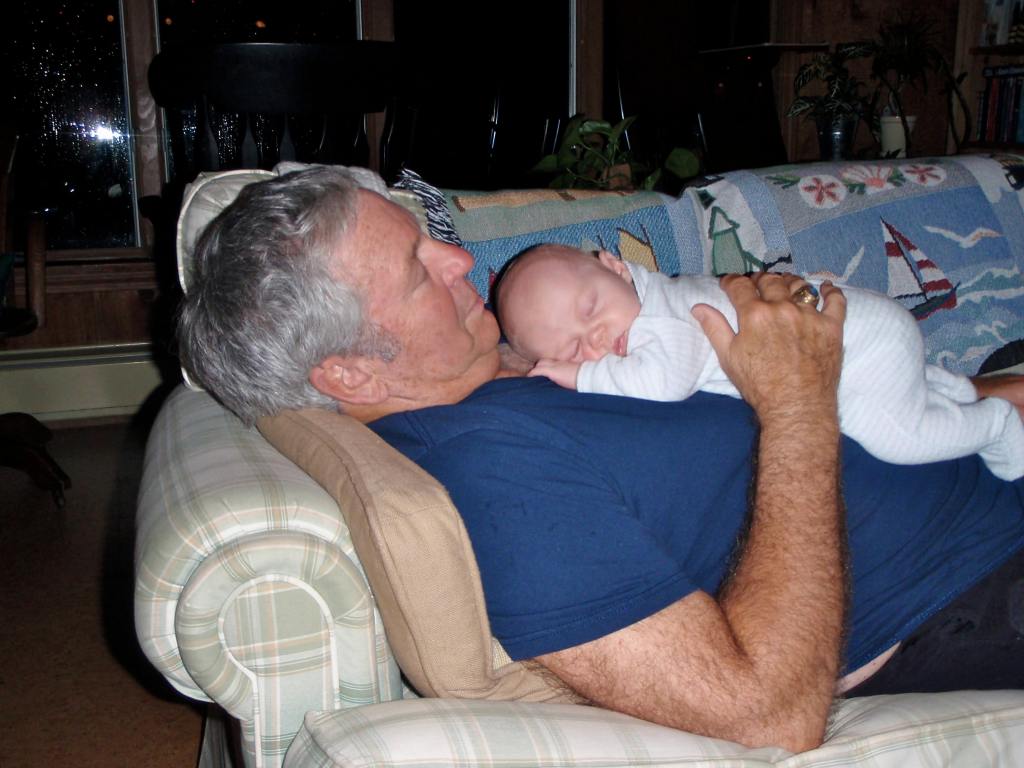
He would calm fussy babies by placing them on his chest. We have so many photos of him like that – on the couch, eyes closed, with a tiny, sleeping bundle nestled right below his chin.

During a family road trip, after my sister, mom and I had played the alphabet game, I Packed My Grandmother’s Trunk, and who knows what else to pass the time, Dad suggested, “How about we play a game that’s absolutely silent?”

Last fall, he asked my husband and me to grab buckets and get in the car. Mom gave us a wide-eyed look like: Oh, just you wait and see! He drove us to the lot where his boat and trailer were parked. The boat cover had been weighted down by a recent rainstorm, and in the resultant pool were thousands of tiny tadpoles. Dad explained that he’d come by earlier to dump out the water, but when he saw the tadpoles, he had to change plans. Mom, Dad, JR and I spent the next half hour gathering tadpoles in buckets and relocating them to a nearby lake. Our little field trip didn’t surprise me at all. There’s no way in hell Dad would’ve dumped all those tadpoles onto the asphalt to die. He never would’ve even considered such a thing.

Dad once told me, “Life may be shit, but death is nothing.” I’m usually grateful to have been raised without religion or afterlife ideas, but not now. I wish I could believe we’d be reunited one day. Sometimes, when I remember he’s dead, it’s hard to breathe. I have to sit down. The pain roars through me like my blood is on fire.

He loved to dance. He used to take me to the father-daughter square dances when I was in Brownies. I adored those events. He loved Elvis, oldies, jukeboxes, and sharing the story of my grandfather telling him, after they’d traveled together in the car for a few hours, “Your music makes me puke.”

He was a brutal editor of my first book. “Why is everyone in this book always grinning and exiting? Why can’t they just smile and leave?” I was appreciative for the candid critique, but not so much for all the times he’d describe a critically-acclaimed book he’d disliked, proclaiming, “It was even worse than yours.” Each time, Mom would implore him to stop saying that, and he’d reply, “What? I’m saying this guy’s published and got all these great reviews, and his book is even worse than hers. So there’s hope!”

When I was in high school, he’d leave work early to come watch my tennis matches. There were all these people around the court in athletic clothing and this one tall, intimidating guy in a suit. His presence made me feel nervous and important at the same time.

On my dresser, there’s a photo of him from his Merchant Marine days. Hanging off the side of the frame is a slingshot he made when he was a boy. When I first set that up, I realized it would be a memorial someday. Now it is. I hate that.

He got to teach his grandson to ride a bike last summer. He was so thrilled. Mom has a video of him whooping with excitement as the new bicyclist goes whizzing by.

I hear his voice. I see his shimmering fingers as he explains something he’s excited about. I feel his hand holding mine. As a child, I would lay on his chest and listen to his heart – that stupid, broken heart that quit and stole my father from me. From all of us.

Sometimes I think I might get through a whole day without crying, then I cry at the very thought. It would’ve hurt Dad so much to see me this way. He wanted his loved ones to be happy. He would want us to be laughing.

Years ago, I told my sister that when our parents died, I would never get over it. I know that’s true. Losing Dad will be a lifelong sorrow. Still, I look forward to a time when memories of him bring comfort rather than pain. That’s what people say, right? Find comfort in your memories. So I have to believe that time will come. For now, though, I just remember, and cry, and remember, and cry, and remember.

[While I still can’t believe the words “obituary” or “funeral home” have anything to do with my father, Mom did write a beautiful obituary for him that is now posted on the funeral home’s website. You can find it here.]