Face Mapping

I turned 50 last month.

The big 5-0

Life’s 5th floor

Version 5.0

The half-century

Yup, it’s a big one.

In general, I feel better physically, emotionally, and mentally than I did upon hitting previous decade milestones. My eyes don’t work as well as they used to, but my mind is clearer, my spirit’s more settled, and my body feels strong and healthy. When I think back on how I got to this place, I can identify a host of experiences and lessons that brought me here, and when I look at my face, I see the map of that journey etched into my skin.

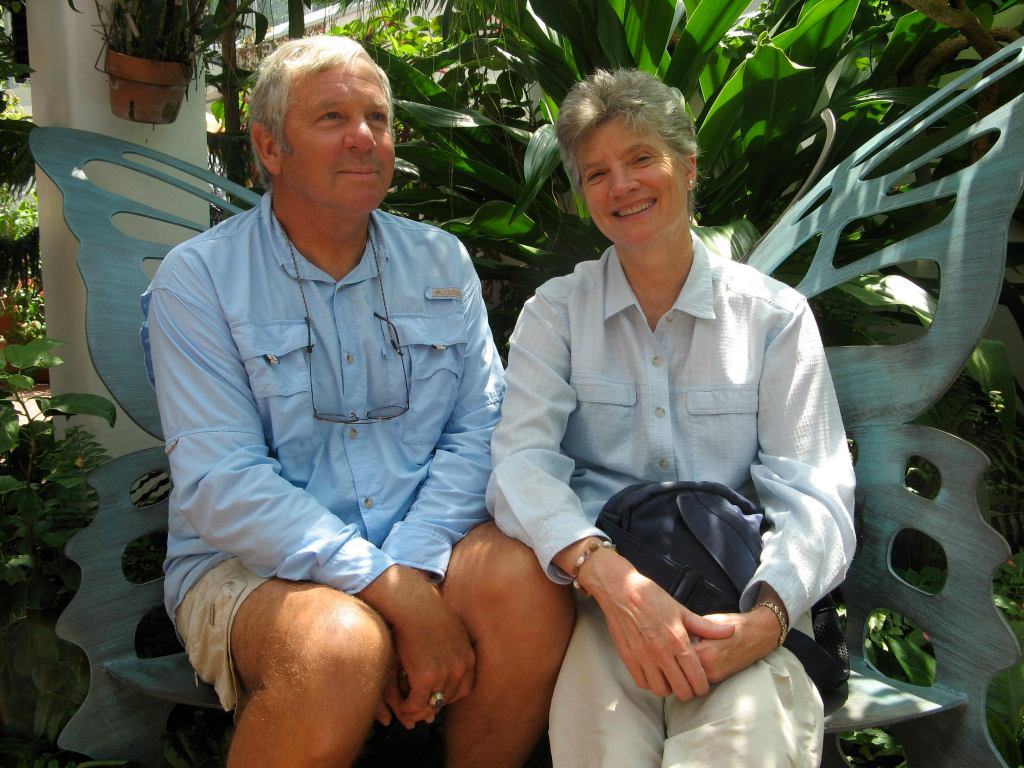
Most prominent on my face map is a myriad of smile lines:

But don’t let them fool you. While it’s true that I smile and laugh a great deal, I was an early adopter of gallows humor and maintained that dark, sardonic outlook for most of my life. So, many of those lines were carved by evil. 😈

The second most prominent features on my facial map are the deeeeeeeep creases between my eyes. I call them my WTF lines, because they were created after years and years of doing this:
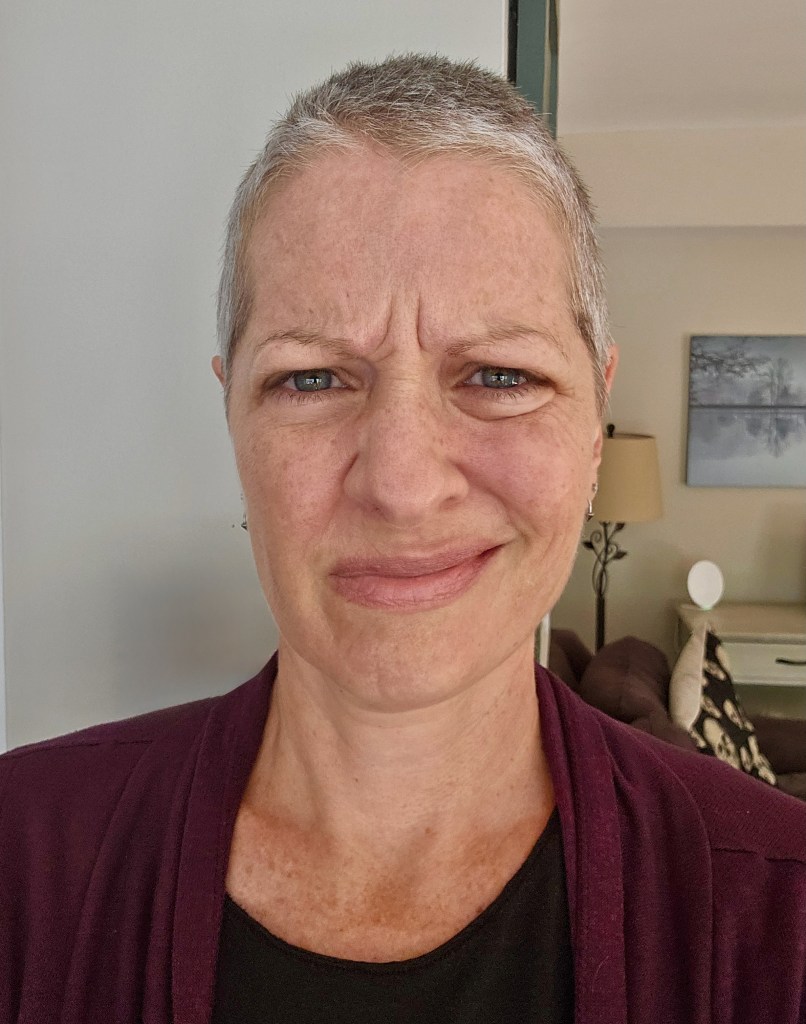
I mean seriously, world, what in the actual…

Turns out, after you make that face twenty times a day for decades, the lines figure they’ll be back in an hour, anyway, so they might as well stay put.

That, in a nutshell, is my 50-year-old face: a topography of carved-in laughter and anger. And that totally tracks. Seeing my white hair, however, still catches me off guard. I think it’s because my hair was in a slow transition from brown to white for many years, and then, between May and September of 2020, so many terrifying things happened in rapid succession that all the remaining brown was seemingly scared away, leaving me with a head of hair like my maternal grandfather’s. And it’s weird to look in the mirror and see him.
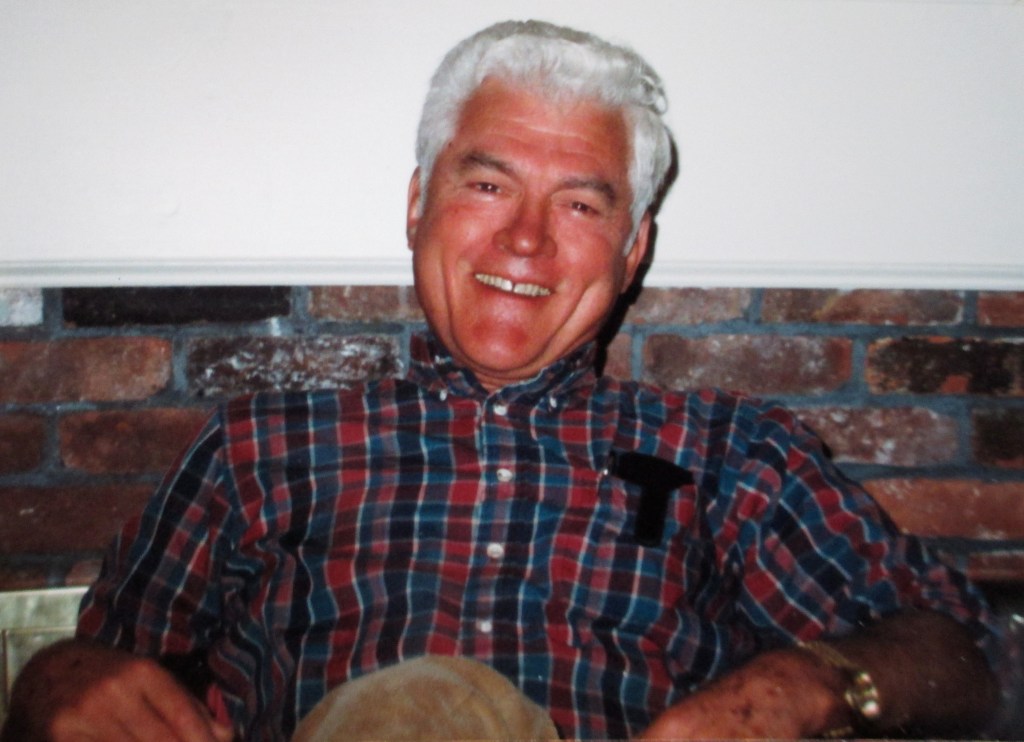
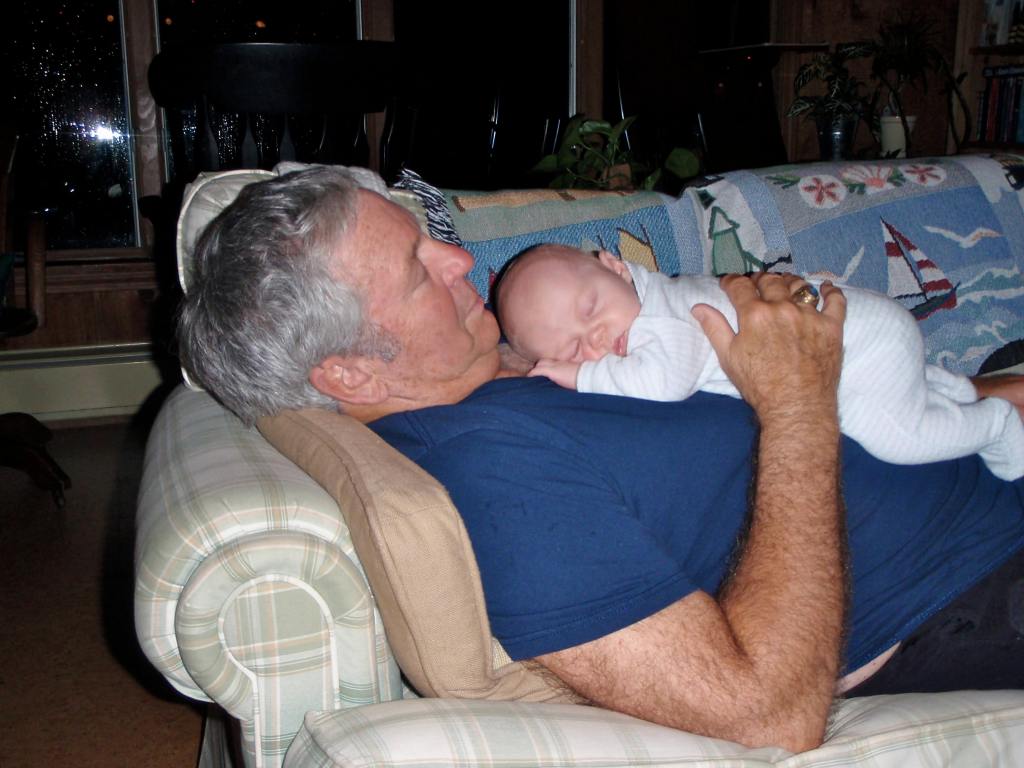
I can’t say I mind, though. He was a good egg. I mean, just look at those smile lines. 🙂
Balancing Act

I haven’t written in a long time. For me, the last several months have been defined by a general numbness, as my system tries, with little success, to process gargantuan levels of rage, disappointment, and despair. While emotional and mental chaos open some people’s creative doors, that’s not the case for me. My imagination has been pushed aside. I don’t even want to work on editing, worried I’ll make my stories worse instead of better.

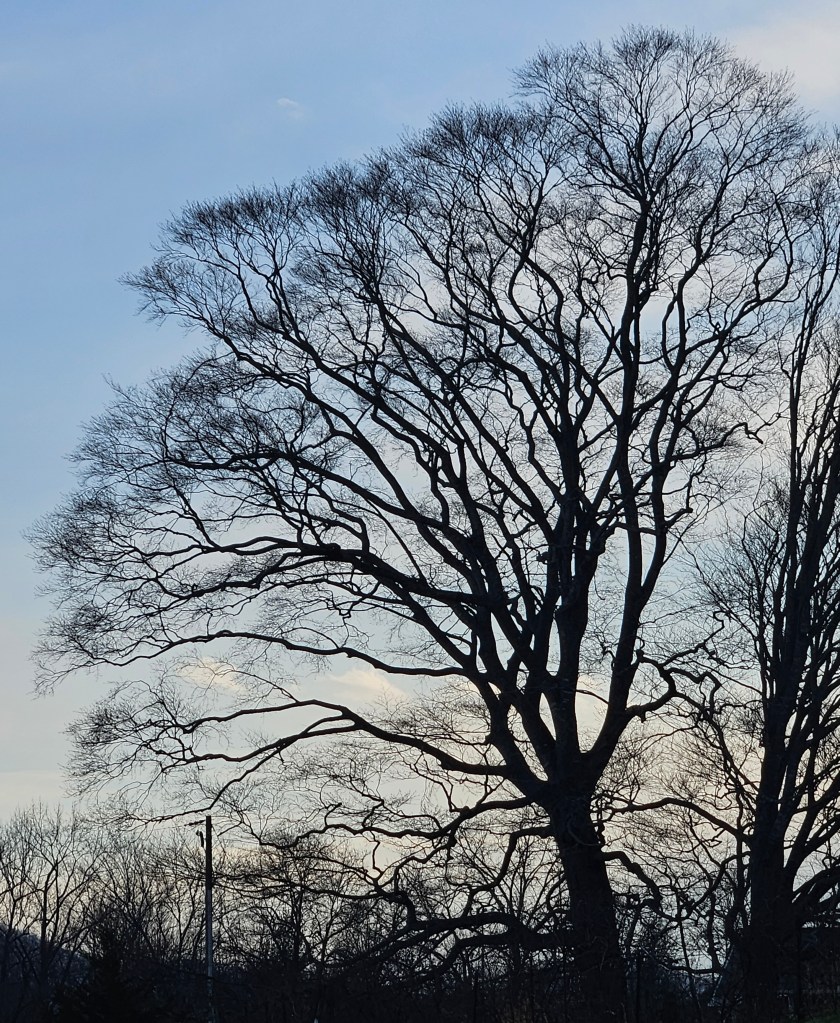
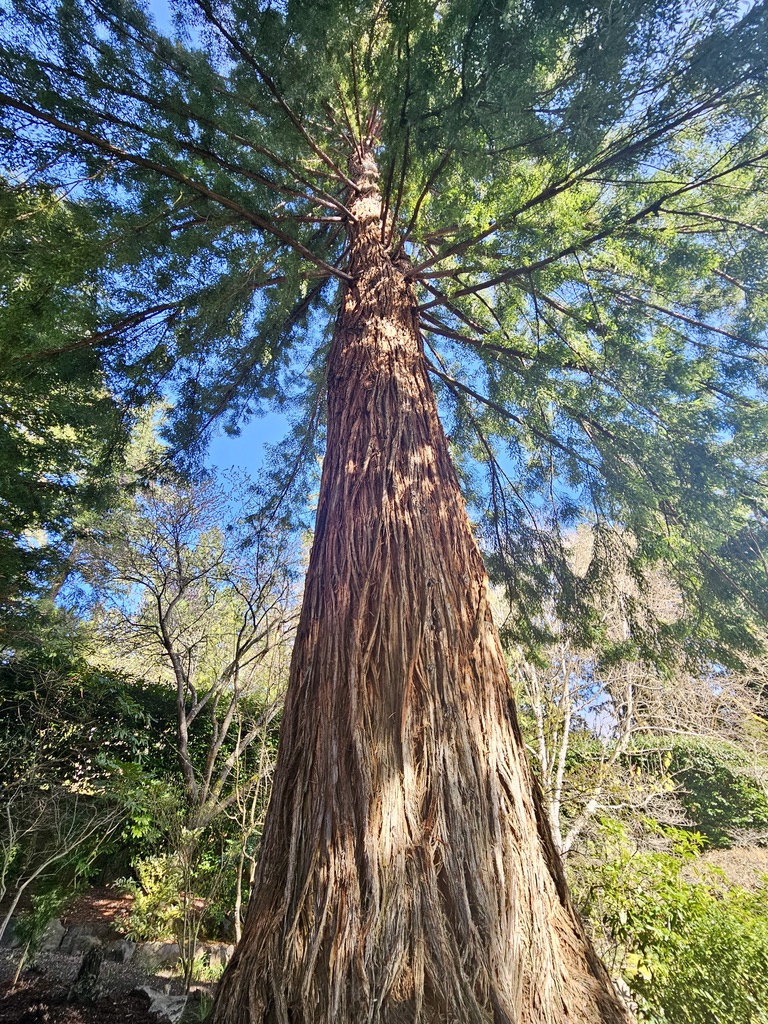
Still, on the eternal quest to hold grief in one hand and gratitude in the other, I continue to take pictures. They serve as ever-present reminders that there is beauty in this world.

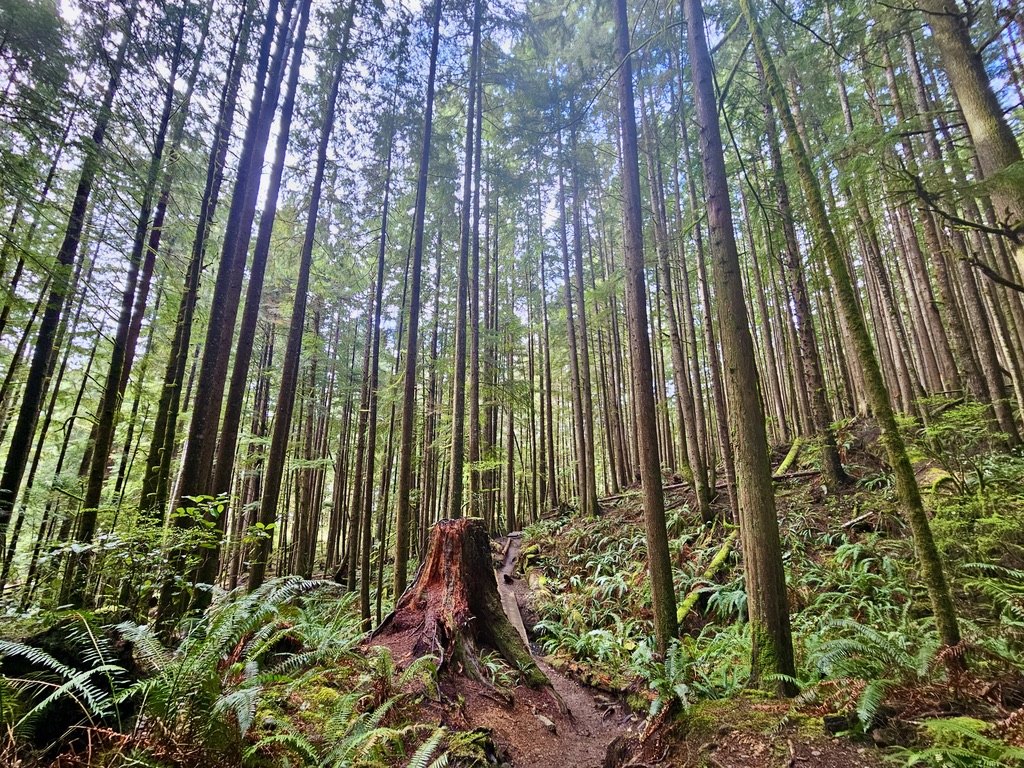
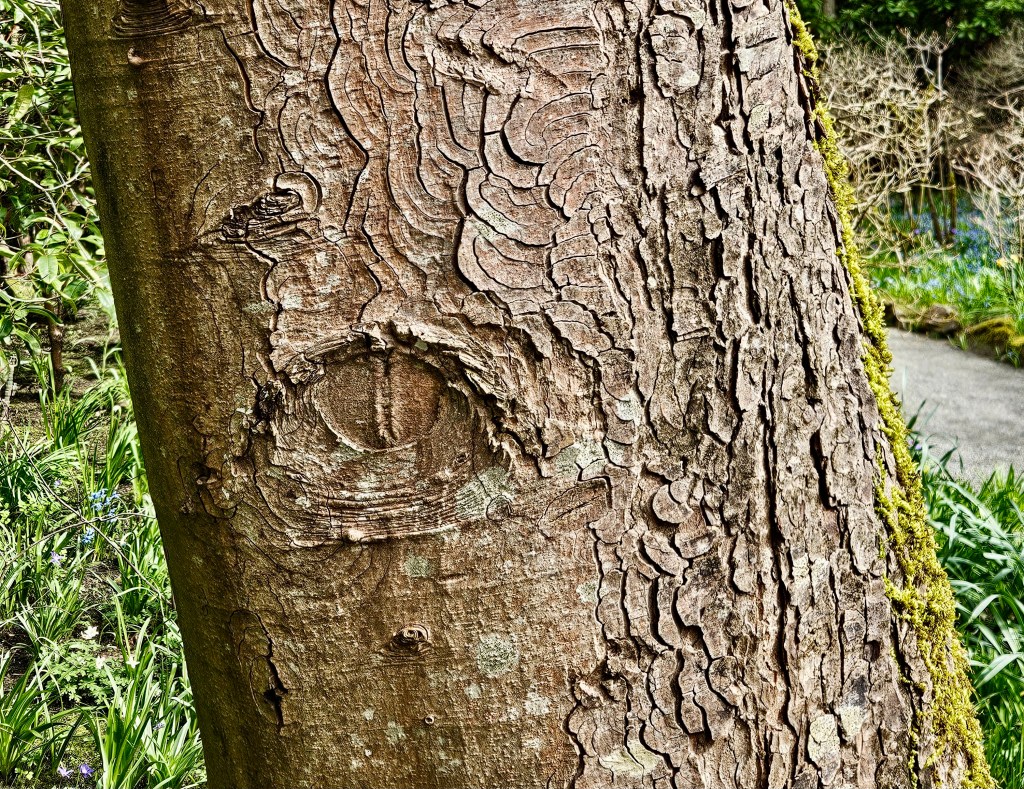
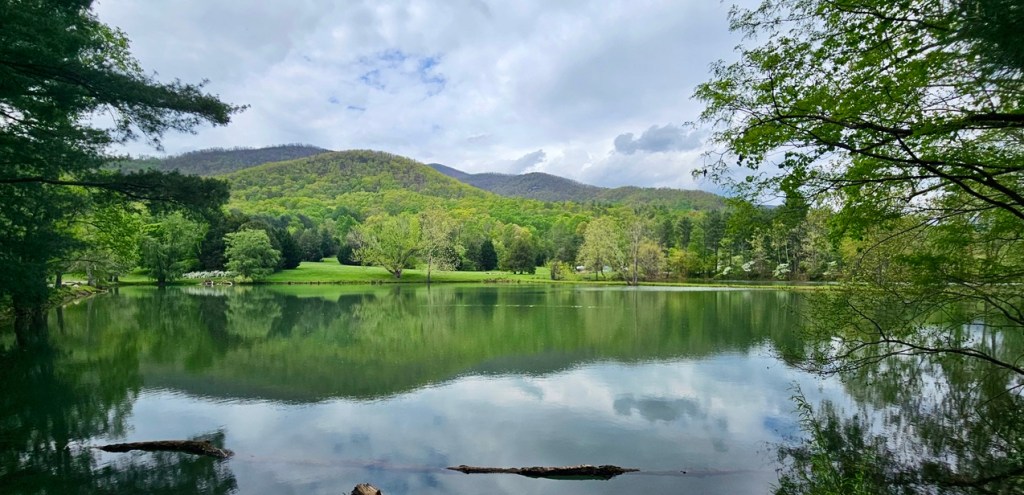
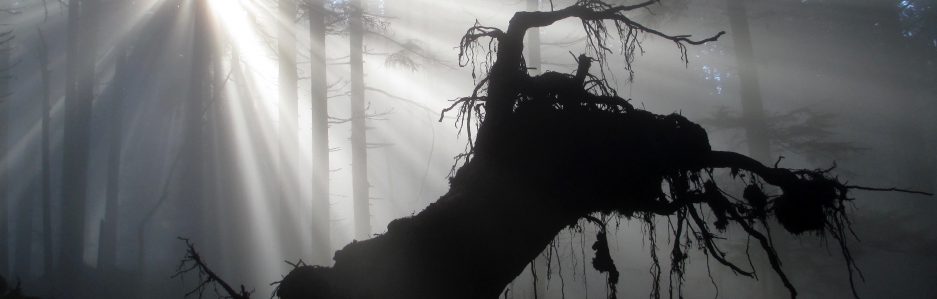
I’ve photographed trees and forests:

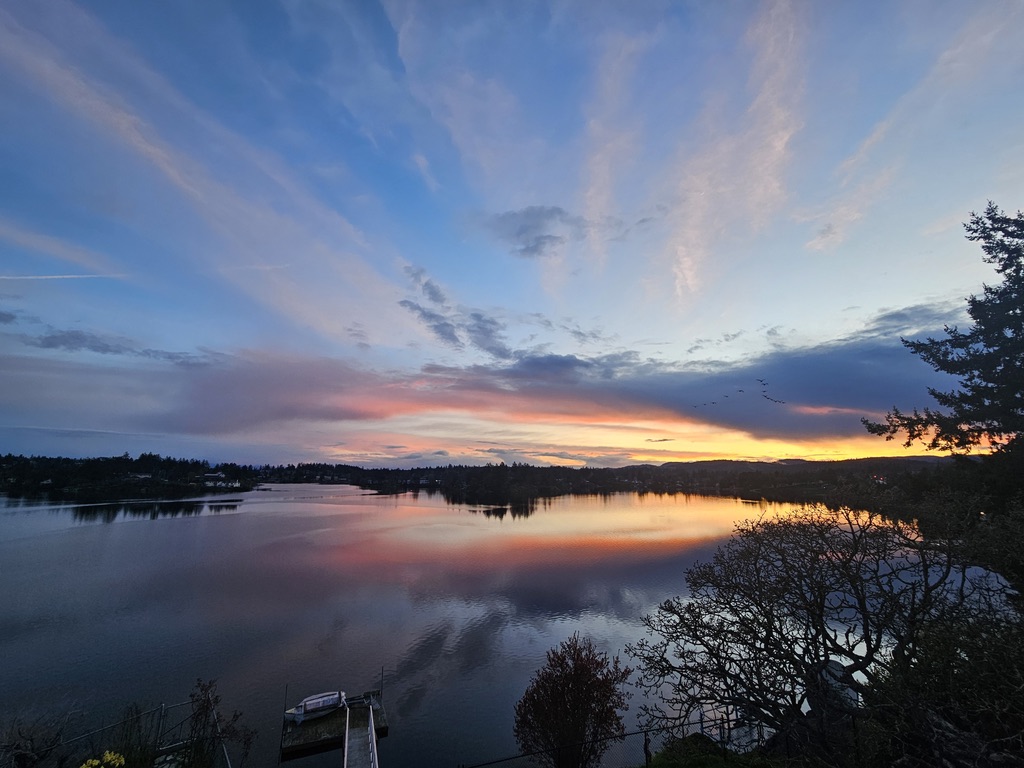
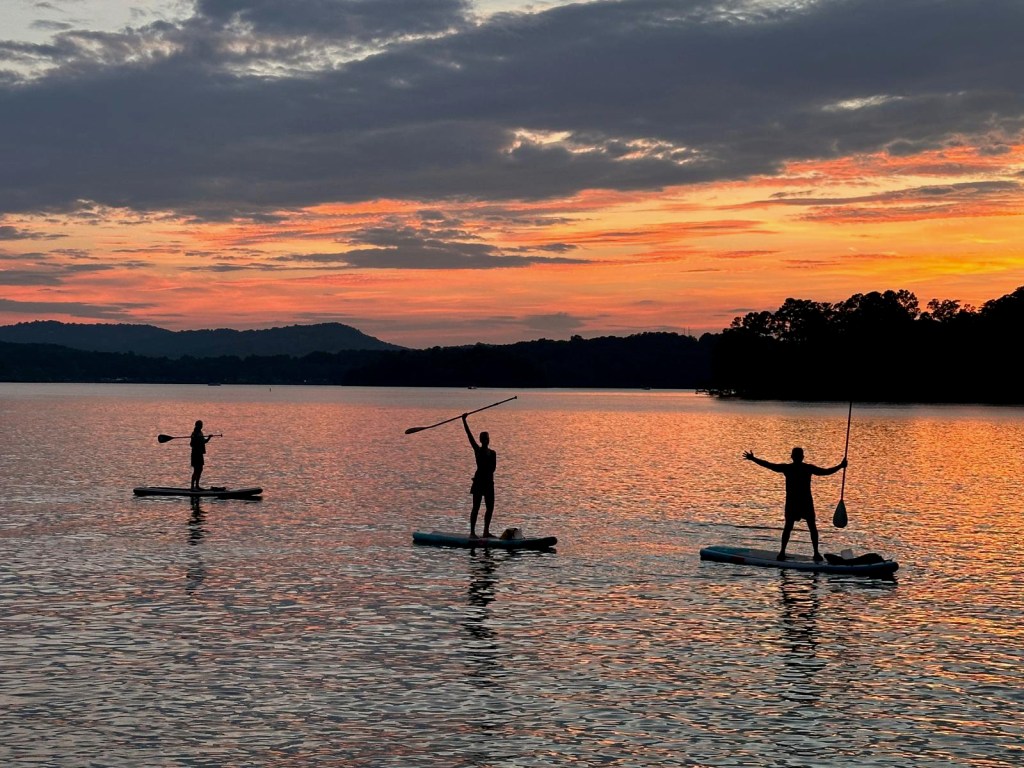
Various forms of water:

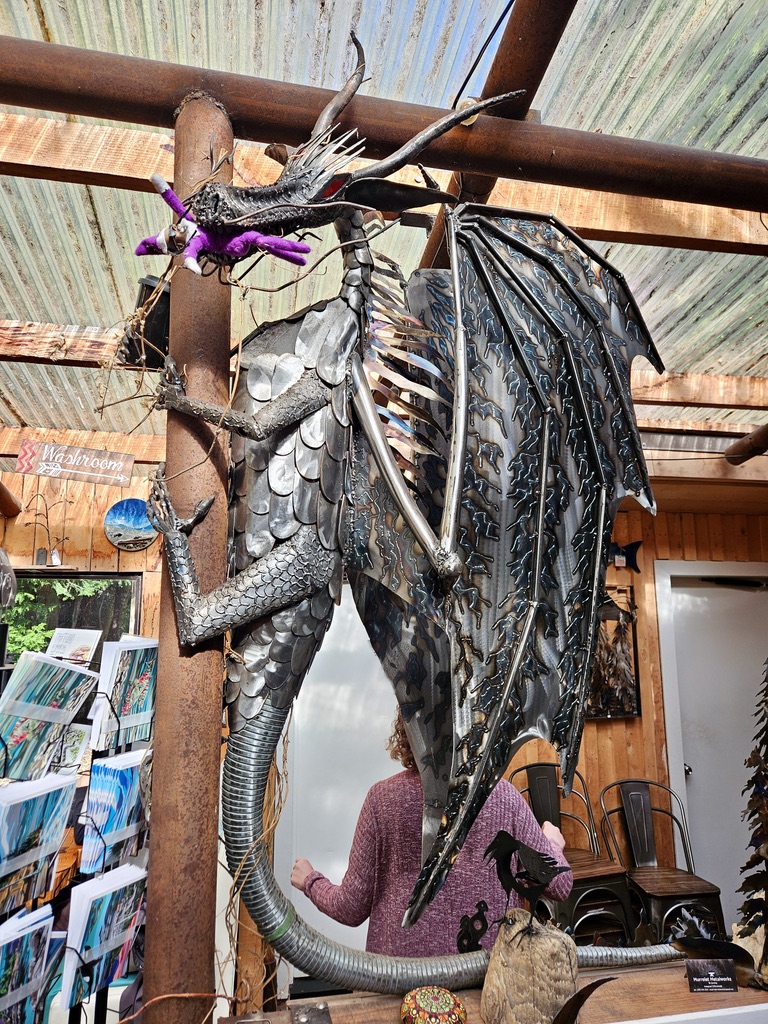
Dragons:

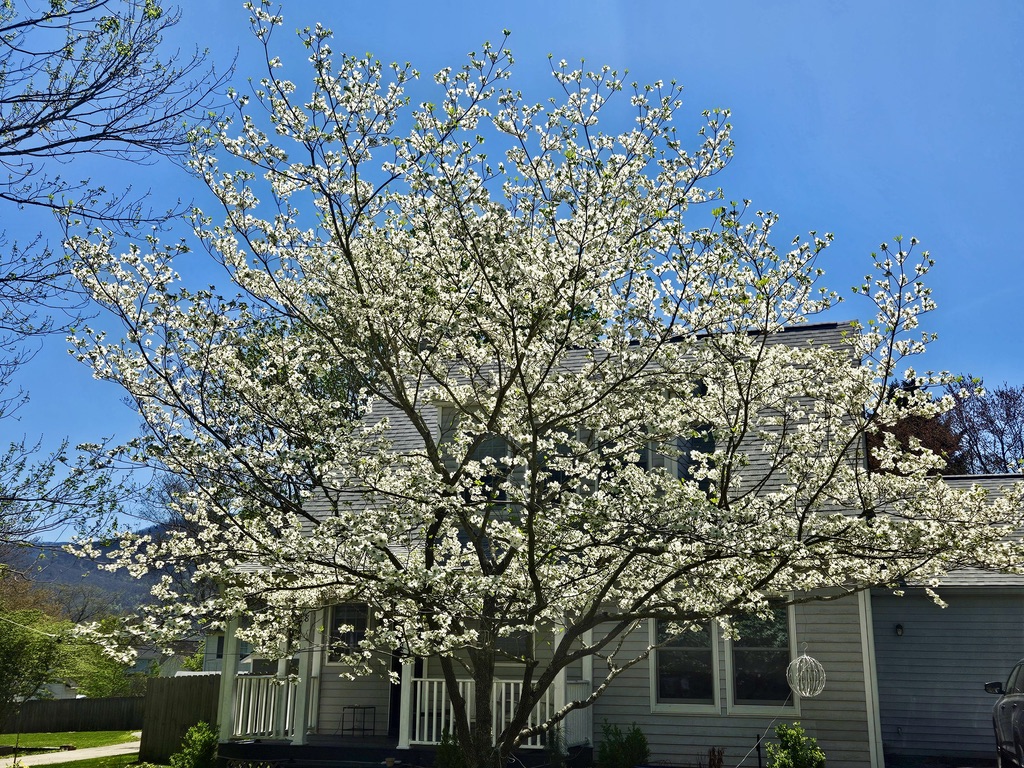
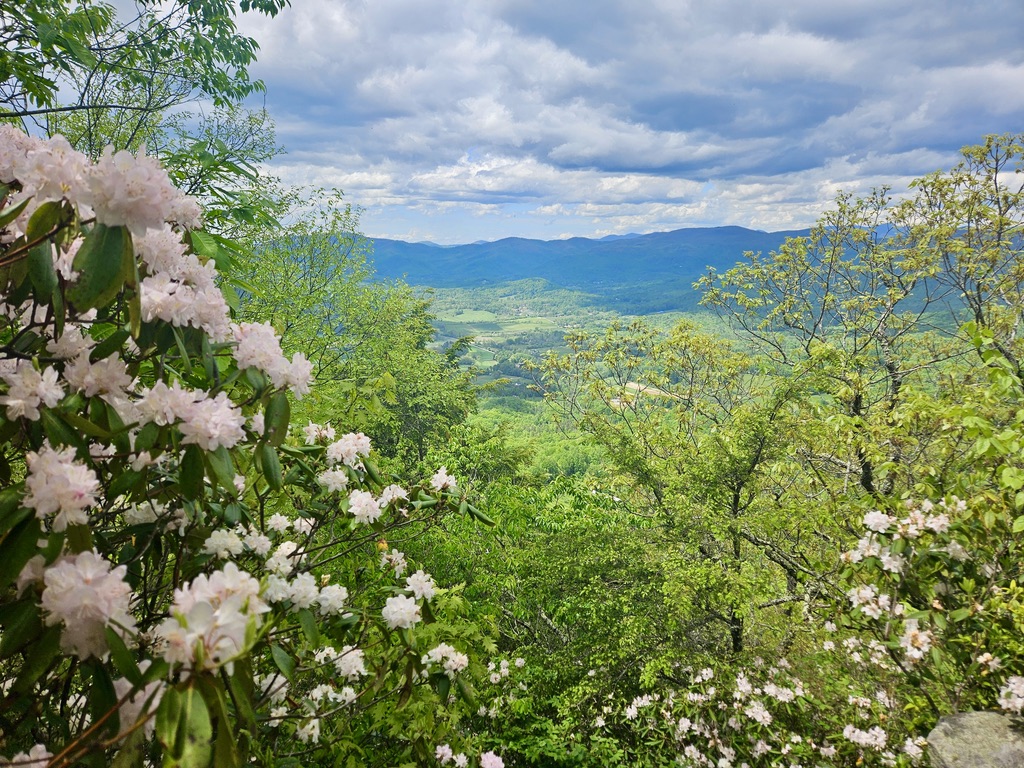
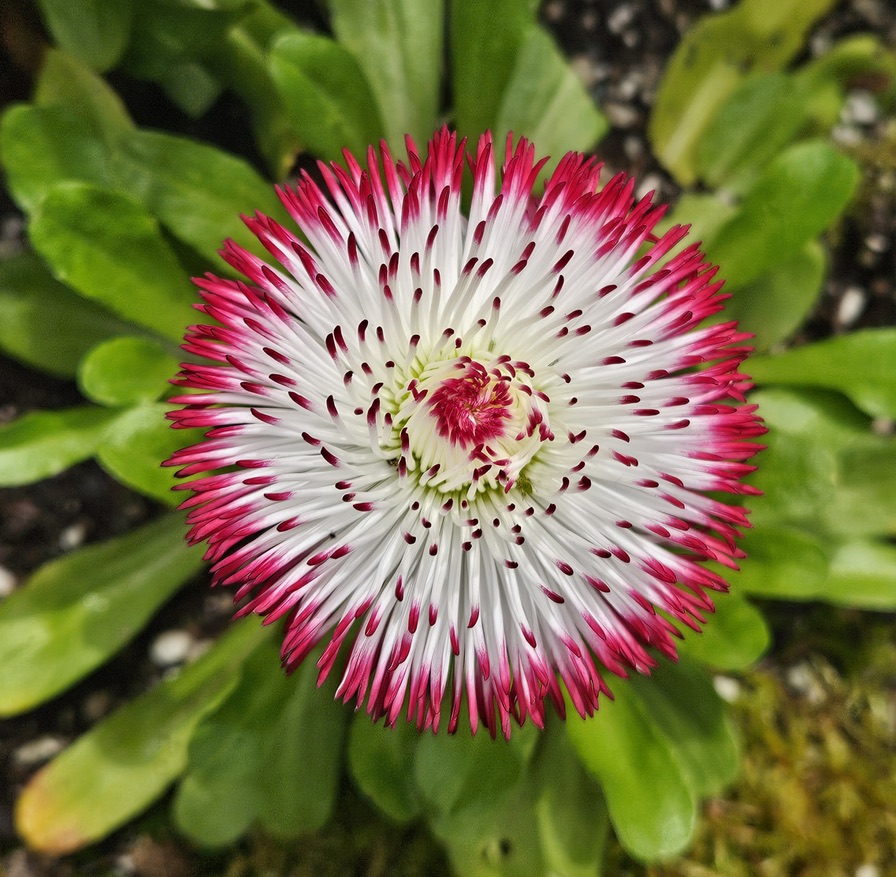
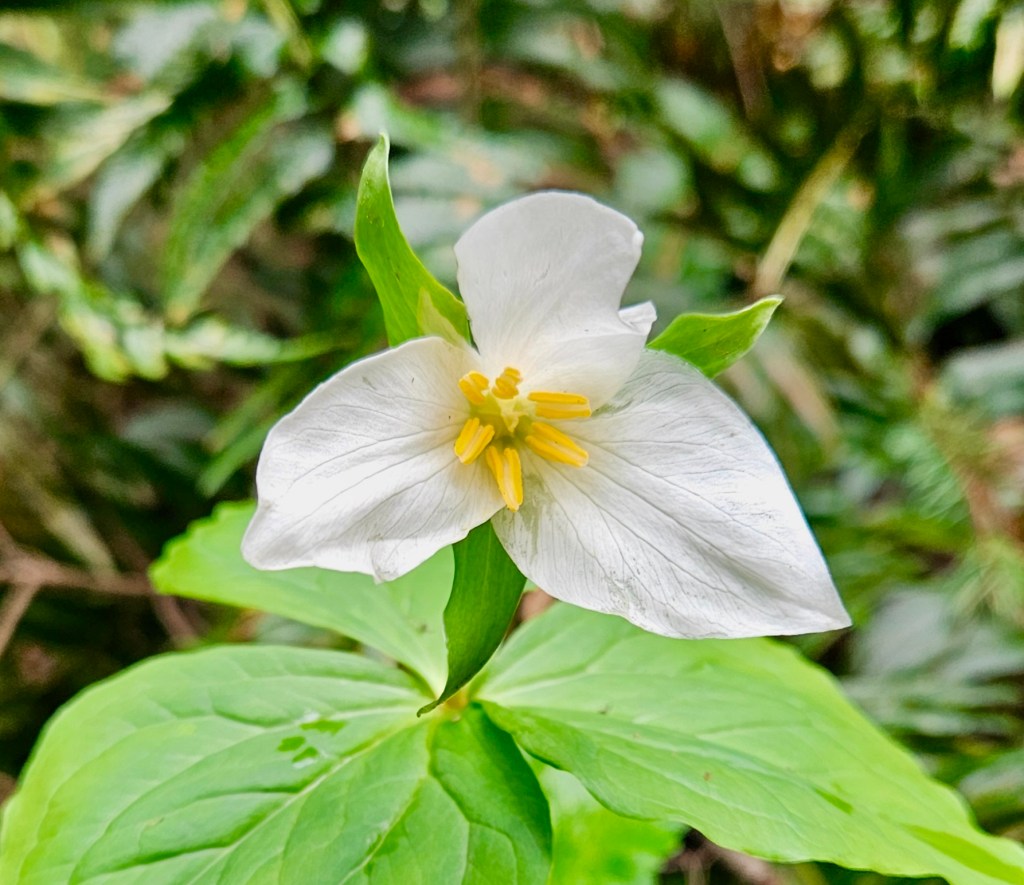
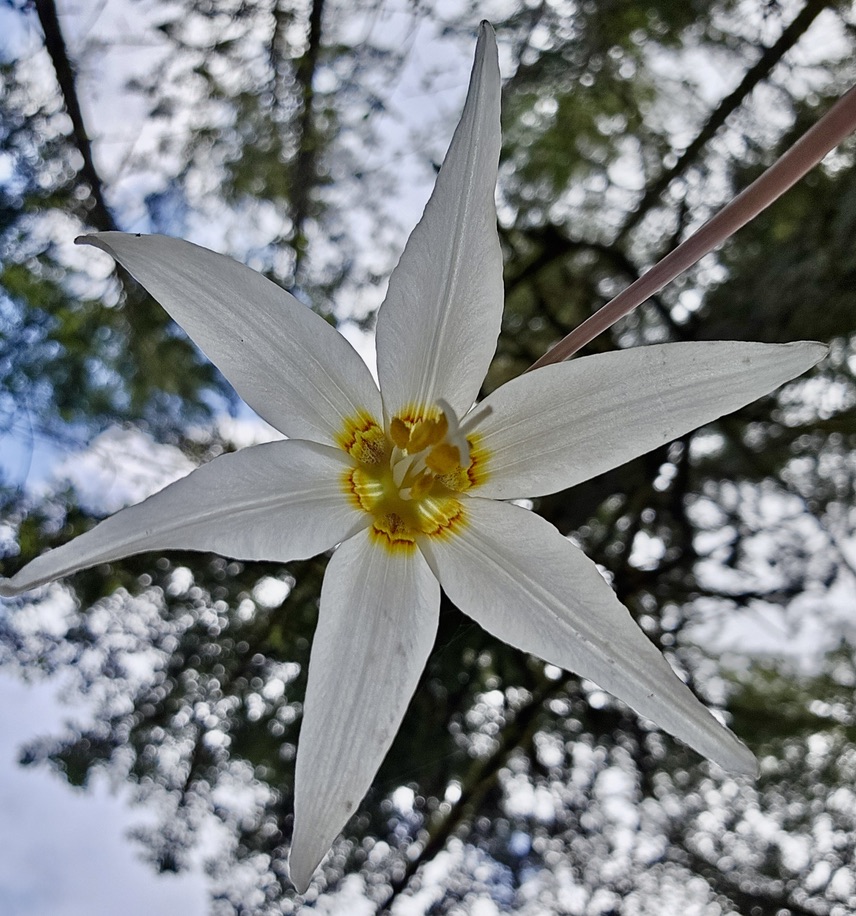
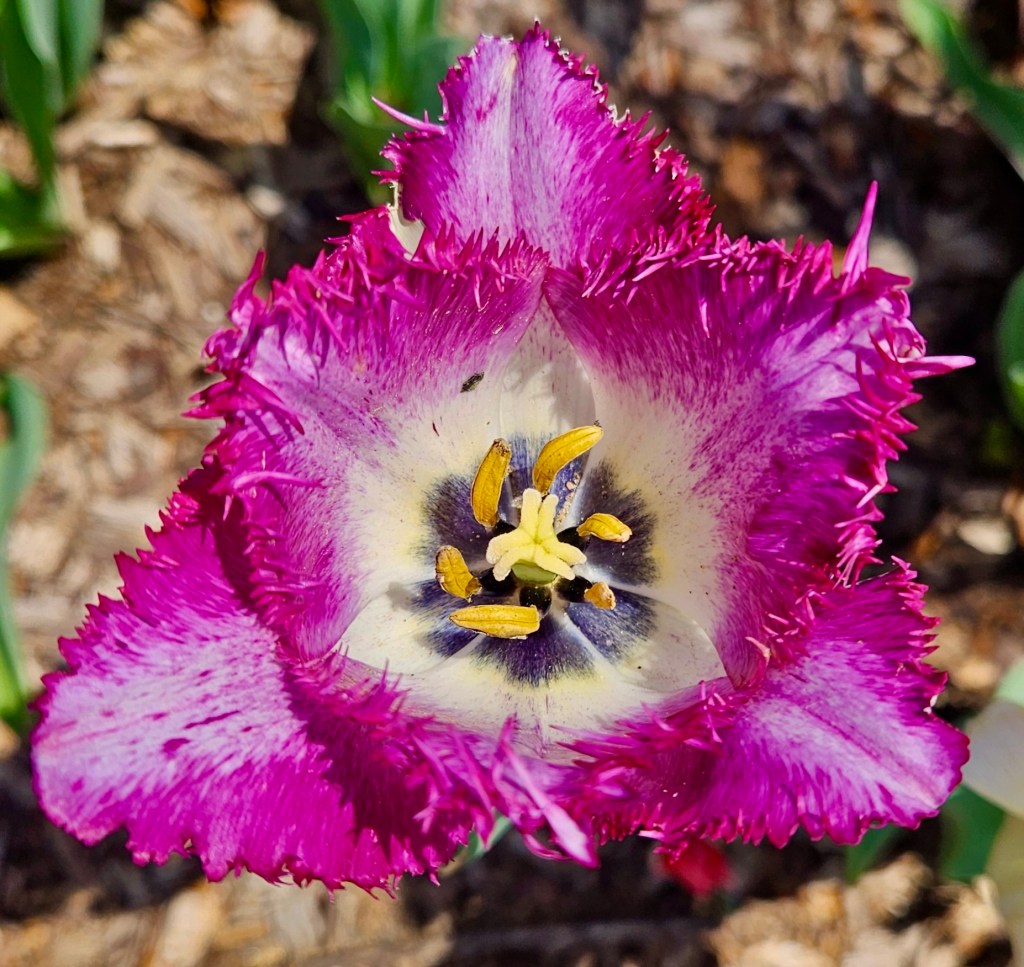
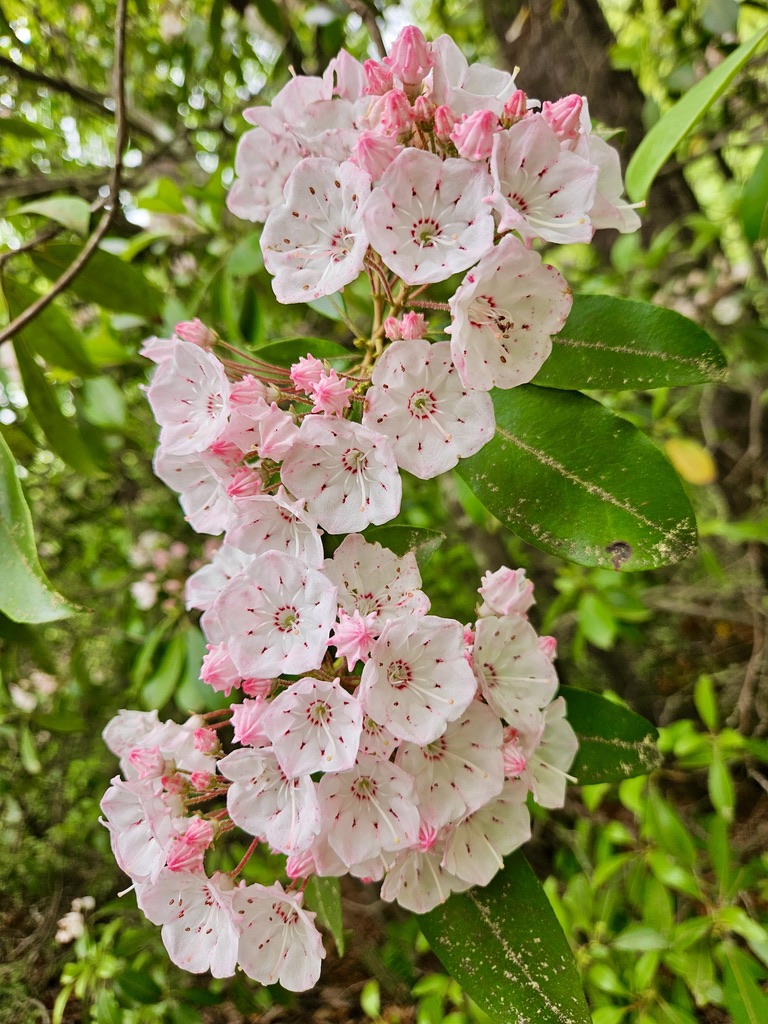
Flowers:

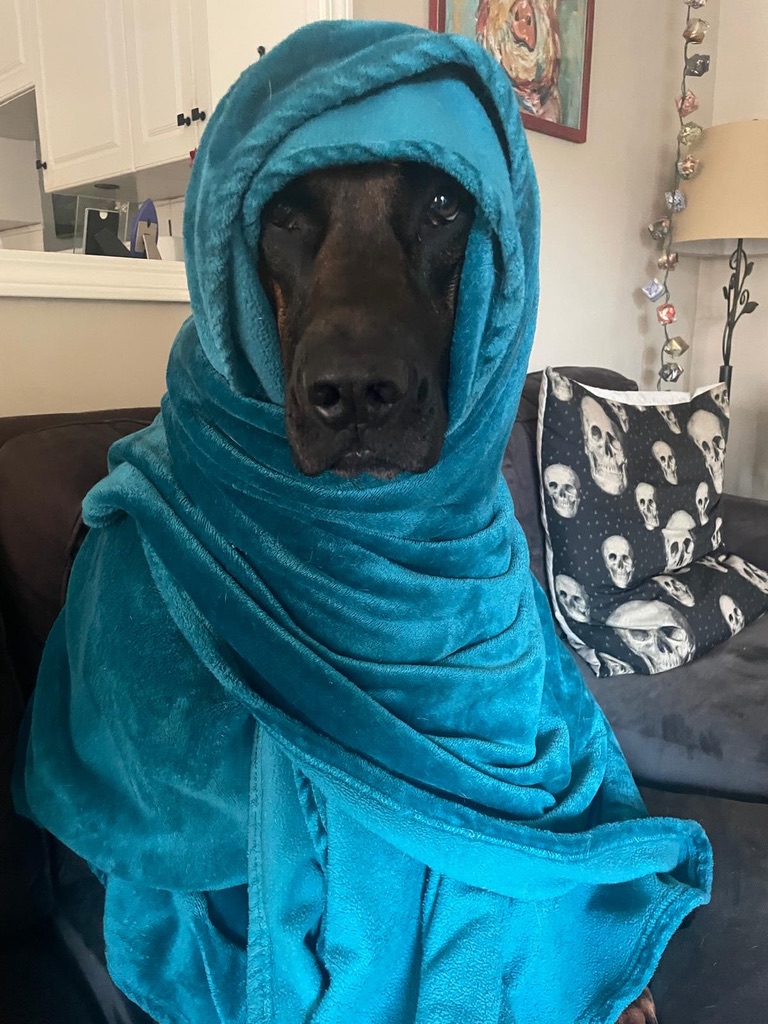
And other fun things, like winter-wrapped Tiny Titus:

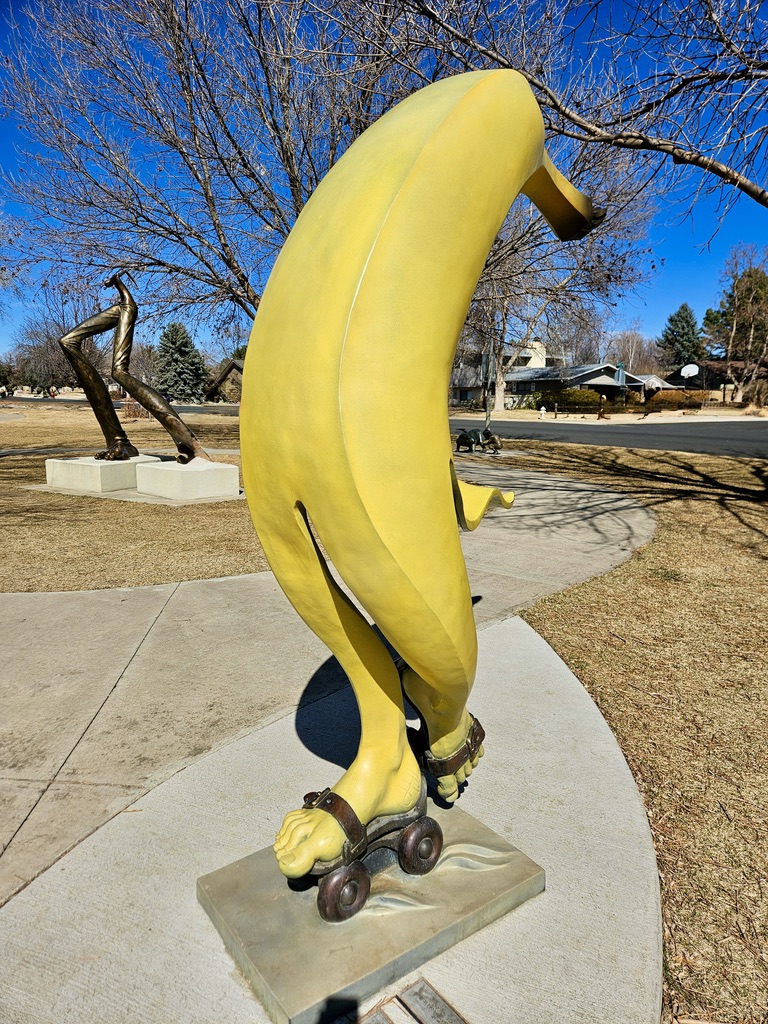
A rollerskating banana:

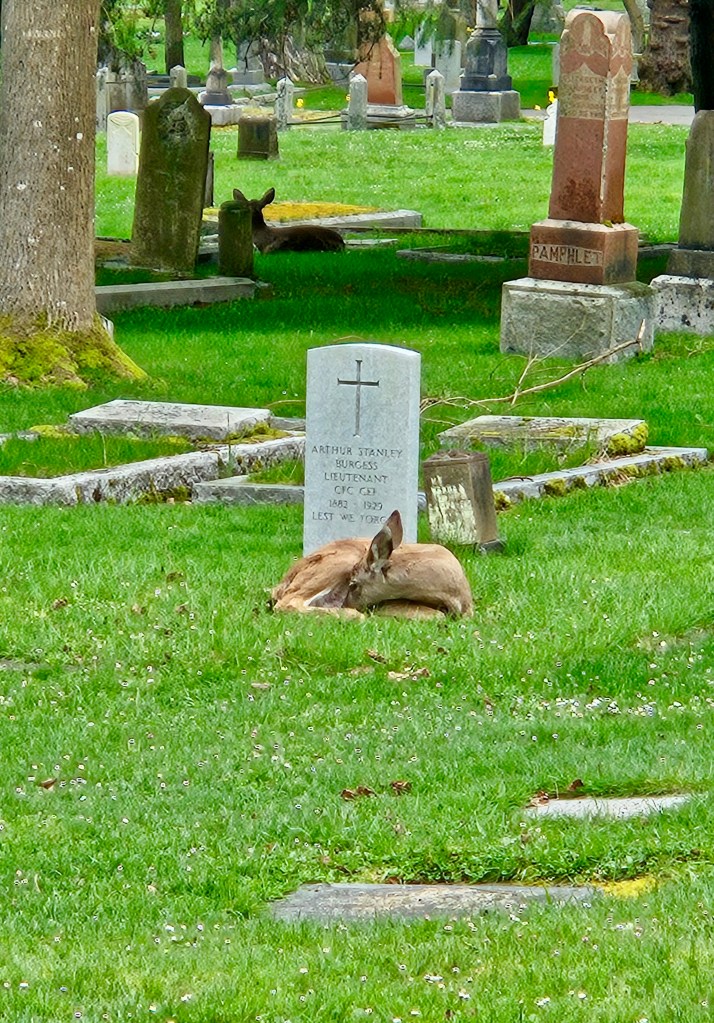
Deer dozing in a cemetery:

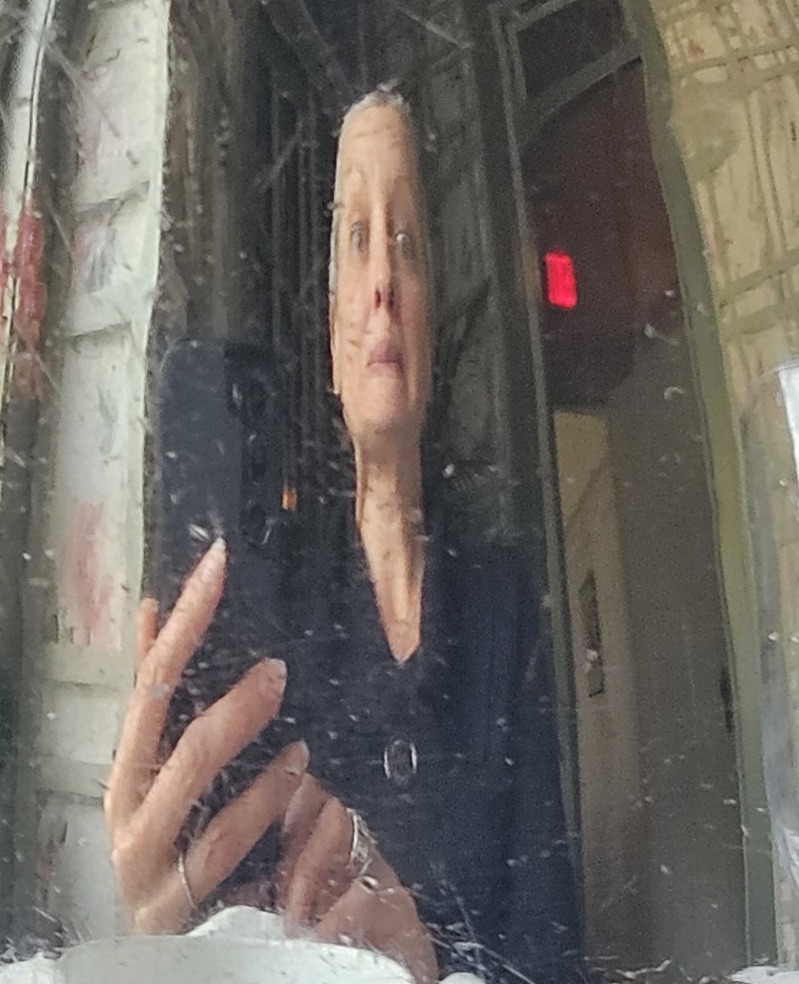
And a silly reflection in a teapot:

Until the numbness fades and my full-scale existence comes back online, I guess I’ll use this space for photos. And in the day to day, I’ll do my best to keep breathing, drink plenty of water, and, as much as possible, stay in the light.

Four Years

On the morning of Monday, September 14, 2020, I received a message from my supervisor, letting me know that my colleague’s mother had died of COVID over the weekend. My heart ached. When I’d talked with my colleague the week before, she’d told me her elderly mother had developed a fever and started to cough, and I knew this was the eventuality she’d feared most.

Needing to clear my head, I decided to take a quick walk before the workday began. About two blocks from home, Mom called. “I can’t believe I have to tell you this,” she said in a tone I’d never heard before. “Daddy died.”

I turned around, already blinded by tears, and stumbled back to the house. My husband’s eyes grew wide when he saw me. I choked out what had happened, and he yelled, “No!” We held each other and sobbed. When I was able to catch a breath, I told Mom I’d pack a bag and head to her house right away. Before leaving, I sent a quick text to my supervisor: My dad died last night. Heading to my mom’s. I’ll be in touch when I can. In the back of my mind, I wondered if my supervisor would even believe me, given that morning’s news about my colleague. What are the chances that both of his employees would lose parents on the same weekend? (As my dad would’ve said: “Apparently 100%.”)

A few minutes from Mom’s house, the skies opened up, and I drove the final mile of steep, twisting mountain roads in a blinding rainstorm. My knuckles were white and jaw clenched tight by the time I pulled into Mom’s driveway. She stood in the garage, her face pinched with worry. Apparently, we were both in the same mindset about the likely outcome of my drive through this storm. Given our family’s recent circumstances – six months into my sister’s cancer treatment, tag-teaming with my parents to care for 8- and 5-year-old boys who couldn’t go to school or see friends, and preparing for my sister’s upcoming hospitalization for a stem cell transplant, scheduled the following week – it would’ve been entirely apt for me to be swept off a cliff by a flash flood on the morning of my father’s death.

But that didn’t happen. We went on. One foot in front of the other. Gallons of tears shed. Countless deep breaths. And somehow, four years passed.

Since I hang the necklace I wear every day on a photo of Dad and me, I look at his smiling face at least twice a day. Sometimes I look at him and think, I’m sorry you missed this. You would’ve loved it. Other times, I think, I’m glad you’re not here for this. Because I know some events would’ve made him furious, or despondent, or just left him feeling helpless.

And every single time the necklace goes on or comes off the frame, I think, I miss you. That sentiment never wavers.

Share the Love (Gratitude, Part III)

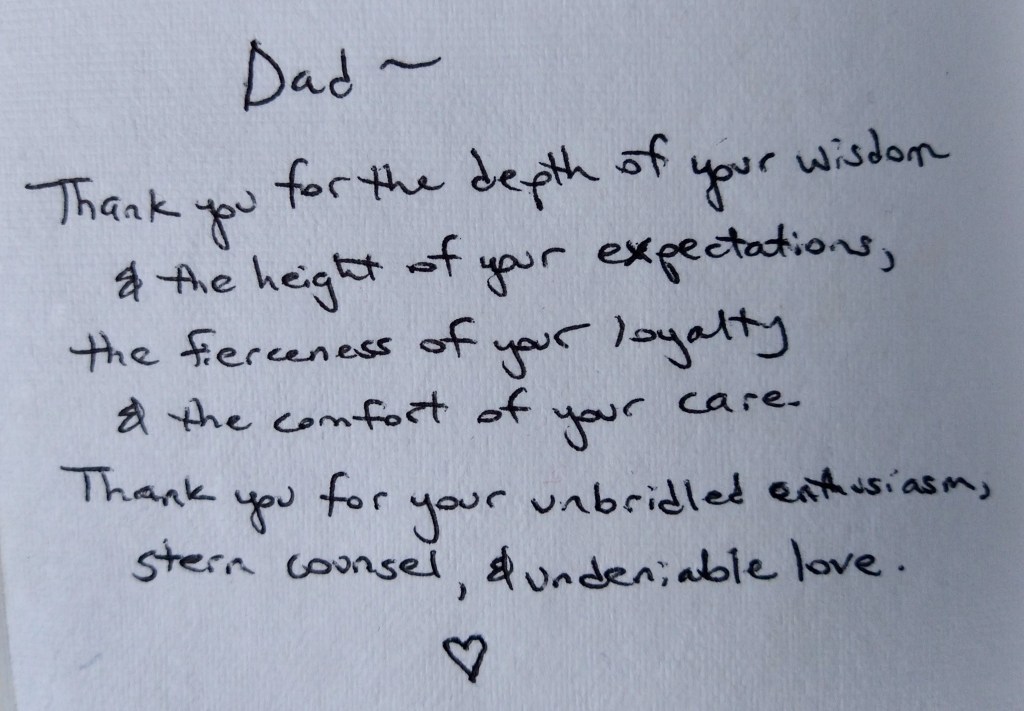
I’ve written a couple of times (here and here) about a gratitude challenge my mom, sister, and I completed from 2019-2020. We liked it so much that this year, we embarked on a new one. Each month, we send someone in our lives a message of gratitude, detailing things we appreciate about them. This can be done by card, email, text, etc. The platform doesn’t matter as long as the message is conveyed.

After six months of engaging in this challenge, I have a recommendation for everyone on Earth: YOU SHOULD DO THIS. Truly, the impact is staggering, while the required effort is minimal. Whether the format is a card, email, or text, the message doesn’t take long to craft, and the process of writing out what you love about a person is really heartwarming. Then, there’s the effect on the receiver. Imagine it: you go to your mailbox, open your inbox, or check a text, and what you find is a spontaneous outpouring of admiration from someone in your life, explaining how much you mean to them and how awesome you are.

If a photo could represent what this challenge has been like, it would be this:

Or maybe this:

That is to say, it’s fabulous, and if you’ve been looking for a simple strategy to make life better, here it is. In an environment of doom-scrolling, apocalyptic media, and endless bickering, this is the perfect way to insert some much-needed joy into the world.

Messy

After Dad died, I cried every day for a year. Before then, I pretty much cried annually, and while I recognized that wasn’t the healthiest practice, I still considered it a point of pride.

It was interesting timing, becoming an emotional basket case right after Dad’s death. Dad wasn’t a fan of emotions. In my early childhood, he identified me as “too sensitive” and taught me how to think my way out of uncomfortable feelings. There’s no point in crying; it doesn’t change anything. Nightmares aren’t scary; they’re not even real. Sure, that’s sad, but it is what it is. Etcetera etcetera – the basic message being: bad feelings serve no good purpose and should therefore be logicked away.

I loved my dad. I admired him, wanted to make him proud, and valued our connection. And so, as my grief counselor so eloquently put it, in the early years of my childhood, Dad and I worked together to cut away a key part of me – my highly emotional self – and set it out to sea.

Now, if it had actually gone out to sea and disappeared over the horizon, all would’ve been well, but that’s not how a human system works. The stuff we ignore or suppress lodges itself in the body, then creeps out in other ways. In elementary school, I wrote stories that centered around conflict, with characters constantly shouting at each other. This baffled my parents, since we didn’t have a “yelling house.” Where was this melodrama coming from? At age 12, I was diagnosed with TMJ disorder and started wearing a night guard to keep from grinding my teeth down to nubs. Around that same time, migraine headaches became a regular thing. Later, I turned to numbing agents like smoking and drinking – anything to hijack emotions or turn them off completely. My body had plenty of messages for me, but I ignored them, having fully embraced my stoic, tightly-controlled sense of self.

At almost-50, I finally feel ready to relieve my body of its burdensome store of stifled emotions. Some of the work is underway, like validating negative feelings when they show up. As a mental health worker, this is something I’ve done for others for well over twenty years, so I suppose I’m a bit overdue in affording myself the same consideration. It’s actually a very simple act – far more so than analyzing the shit out of vulnerable emotions in an attempt to turn them into something else. I’m so well-versed in that process, though, that it’s hard to remember, in the moment: It’s okay to feel sad about this. It’s okay to feel nervous about this. It’s okay to feel discouraged by this. But I’m working on it.

I’m less sure how to tackle the other part: releasing all the feelings my body has smooshed into various muscles, joints, and organs over the past four decades. I talked with someone recently, however, who said that’ll be my heart’s work, not my brain’s, and that was a relief to hear, cuz when I asked my brain to figure out an emotional unclogging strategy, it just sent back the shrug emoji.

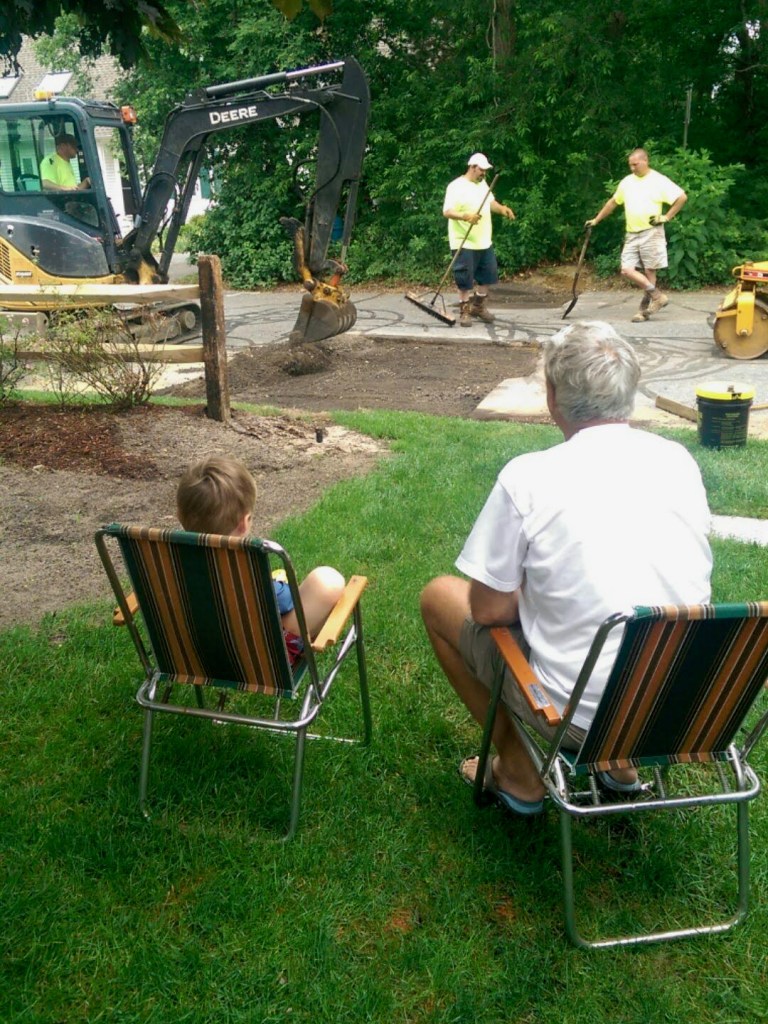
They say our ancestors live in our bones, so I like to imagine that Dad and I are doing this work together, kind of like a post mortem group project. That being said, Dad did love to delegate, so I see our group project more like this scenario, when Dad took out a couple of lawn chairs so he and his grandson could watch these guys fix the road:

In the case of my current project, as I toil and question and fail and succeed, I’ll picture Dad sitting in a lawn chair nearby, leaning slightly forward with his hands in his lap, saying, “Good job with all that emotion stuff, kid. Keep it up.”

Nadie Sale Vivo, Part II

I have no idea what triggered this conversation 10ish years ago, but the memory will crack me up forever:

[Setting ~ Dad, JR and I watch TV in my parents’ family room]

Dad: “Kelly will be a cougar someday.”

JR & me in unison: “What?!”

Dad: “What?” (pause) “Why, what’s a cougar?”

Me: “A cougar is an older woman who sexually preys on young men.”

Dad: “Oh! Shit. Never mind. I thought it was just a good-looking older woman. Sorry, JR.”

Yup, that’s right. “Sorry, JR.” 🙄 😂

I love this memory of Dad. Simple and lighthearted. Perfect. As the months pass, I find myself treasuring these types of memories the most.

Earlier this week, a group of family and friends traveled to the Marquesas Keys to honor Dad’s life and release his ashes into the waves, per his oft-repeated request. In the photo above, I hold his ashes in one hand and a journal in which I’d written a brief tribute to him in the other. By some miracle, I managed to say the words out loud with a minimum of tearful pauses.

I realize now that I left something out: “Thank you for changing your mind about my future cougar status after you found out what a cougar is.”

It’s interesting to see photos of myself at Dad’s memorial, my arm bearing the words Nadie sale vivo. While people continue to misinterpret the tattoo’s meaning (no, it doesn’t mean I want to kill everyone), for me, it continues to be a helpful reminder to honor each moment of life – each breath, each heartbeat, each moment. It prompts me to hold my loved ones close and leave no kind word unspoken. No one lives forever, not even the dearest dads, and we never know which hug or “I love you” will be the last.